REVIEW · KATHMANDU
Everest Base Camp Trek with Helicopter Return – 10 Days
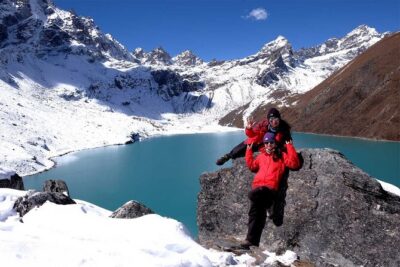
The great hook here is simple: you walk into the Everest region and fly out. After reaching Base Camp and climbing Kala Patthar, you trade the long return route for a shared helicopter flight toward Kathmandu. That saves several trekking days and gives you a memorable aerial look at the Khumbu.
I like the small group limit of 15, plus the practical package of tea house lodging, meals on the trail, porter support, permits, gear, and domestic flights. I also like the steady acclimatization plan, with time at Namche and Dingboche. The catch is that this is a fast, demanding high-altitude trek, and the $3,400 price depends on you being comfortable with long walking days and weather-sensitive flights.
Key points to know before booking
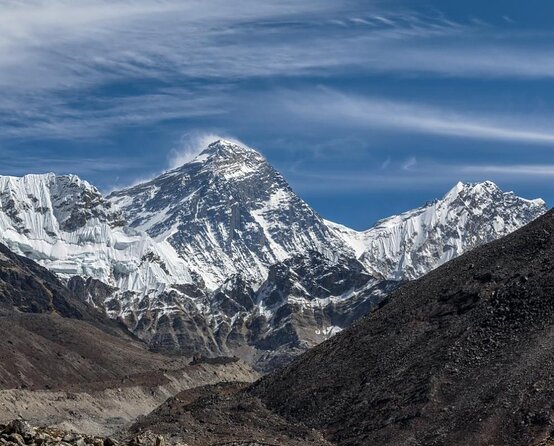
- Four of the world’s highest mountains come into view during the route: Everest, Lhotse, Makalu, and Cho Oyu.
- The helicopter return is the big time-saver, replacing the usual multi-day walk back to Lukla.
- Two acclimatization stops at Namche and Dingboche give your body a better chance to adjust to altitude.
- The package includes a guide, porters, meals, tea house stays, permits, flights, and trekking equipment, which cuts down on planning.
- The group can be as large as 15 people, small enough for personal attention but not necessarily a private trek.
- Weather matters twice, since the Lukla flight and helicopter return can both be delayed or changed.
Why the helicopter return changes the whole trek
A standard Everest Base Camp route usually requires you to walk back the way you came. That return can be enjoyable, but after reaching Base Camp and Kala Patthar, many people are ready for a faster exit.
This trip keeps the classic approach through the Khumbu and removes much of the return walk. You still get the key villages, bridges, monasteries, river valleys, mountain views, and high-altitude approach. Then, after Kala Patthar, you fly by group-sharing helicopter toward Kathmandu.
That is not just a flashy extra. It changes the rhythm of the trip. You spend your energy going toward the goal rather than saving strength for the walk back. It also lets the operator fit the trek into 10 days, though the schedule leaves less room for delays or a slow pace.
The helicopter section is weather dependent. The trip information describes the flight as leaving from the Gorakshep and Kala Patthar area, so confirm the exact landing point and flight plan before departure. Helicopter seats are shared, and the aircraft may carry other people rather than functioning as a private charter.
More Helicopter Transfers in Kathmandu
- Everest Base Camp Trek with Helicopter Return from Gorakshep to Lukla
★ 5.0 · 161 reviews - Everest Base Camp Trek with Helicopter Return to Lukla – 10 Days
★ 5.0 · 34 reviews - Everest Base Camp Trek with Helicopter Return -11 Days
★ 5.0 · 12 reviews
Day 1: Kathmandu gives you a soft landing
You arrive in Kathmandu, meet the local team at the airport, and transfer by private vehicle to your hotel. The rest of the day is free for sleep or a short look around the capital.
That free time matters. You are not asked to start trekking the moment you arrive. Kathmandu can be a useful place to adjust to the time difference, check your gear, and meet your guide. Breakfast is included at the Kathmandu hotel, but lunch and dinner in the city are your responsibility.
The airport pickup and hotel transfer remove two early hassles. You do not need to negotiate transport after a long international flight, and the trekking team can help set the tone for the days ahead.
Day 2: Lukla to Phakding starts the mountain walk
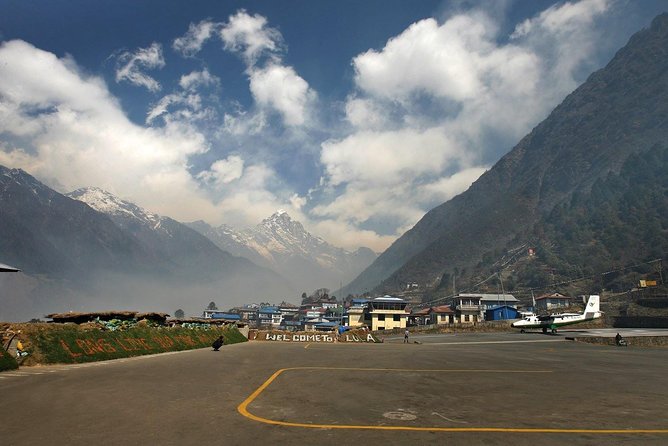
The day begins early with a transfer to the domestic airport and a flight from Kathmandu to Lukla. The flight takes about 30 minutes, followed by a meeting with the trekking crew and the walk to Phakding.
Lukla is the gateway for this route. From there, the trail begins through green surroundings with views toward Kusum Kanguru. The first walk is shorter and lower than the days ahead, which gives you a useful introduction to the pace, trail surface, and porter system.
Do not treat the Lukla flight as a minor detail. Mountain weather can affect flight schedules, and the helicopter return is also weather sensitive. Keep important items in your hand luggage, and avoid planning a tight international connection immediately after the trek.
The itinerary gives this day a long overall time window, but the actual walking section from Lukla to Phakding is much shorter than the full travel day. You will want an early night because Day 3 is a major step up.
Day 3: Namche Bazaar and the first serious climb
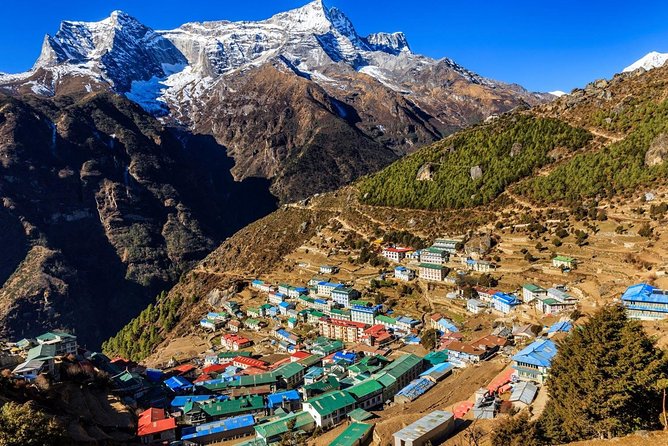
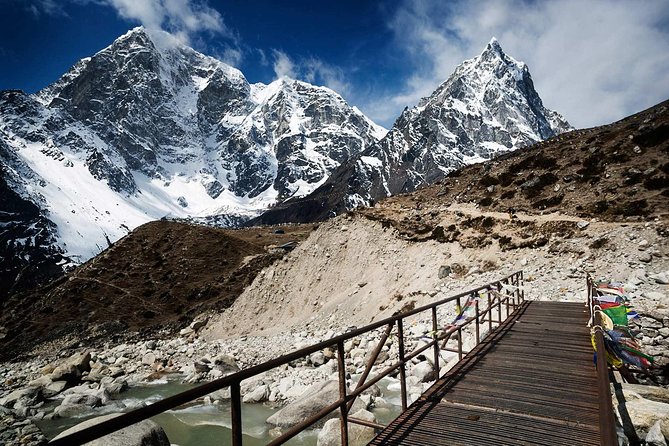
After breakfast, you follow the Dudh Koshi River through pine forest and cross the Hillary suspension bridge. The route enters Sagarmatha National Park, a protected area and UNESCO World Heritage Site, before climbing toward Namche Bazaar.
Namche is the Sherpa capital and the main gateway to the Everest region. The village is an important stop because it is where the trail begins to feel genuinely high and remote. It is also where the itinerary gives you time to adjust before climbing farther.
You may visit the Sherpa Museum in Namche, though its admission fee is not included. The museum adds useful context about Sherpa culture and traditions, and it helps make the villages feel like more than overnight stops between mountain views.
This is a long day, with the schedule allowing up to 12 hours. The climb can feel demanding, especially if you are still adjusting to the altitude. Walk slowly, drink regularly, and listen to your guide if the group pace needs to change.
More Helicopter Transfers in Nepal
- Helicopter Return Everest Base Camp Trek, KTM-LUKLA & Gorakshep-KTM by Heli
★ 5.0 · 9 reviews - Everest Base Camp trek with Helicopter return 9 days
★ 5.0 · 8 reviews
Day 4: Namche is for acclimatization, not laziness
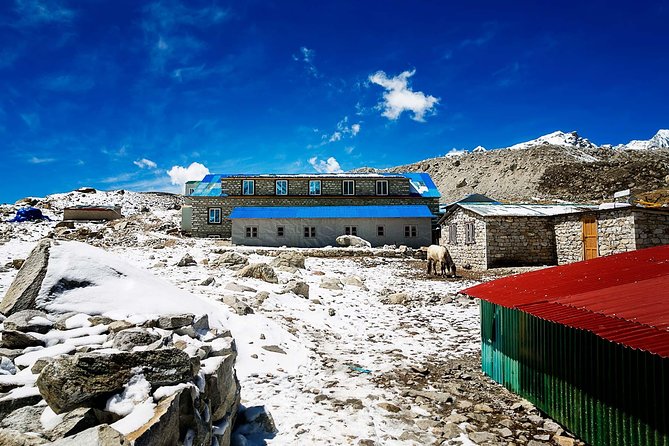
The Namche acclimatization day is one of the most important parts of the plan. You hike toward the Everest View Hotel and the Syangboche area, gaining height during the day before returning to Namche.
The point is not simply to collect another viewpoint. You are giving your body a chance to respond to thinner air before moving toward Tengboche, Dingboche, and the higher valleys. A rest day at altitude often means a stronger and safer trek later.
The Everest View Hotel hike is also a scenic reward. From this area, you can look toward Everest and surrounding peaks without yet being deep in the high valleys. It is a good place to ask your guide about the route ahead and to notice how your body feels.
I would not plan a late night here. Use the free time to rest, organize your daypack, and prepare for the next climb.
Day 5: Pine forest, river crossings, and Tengboche Monastery
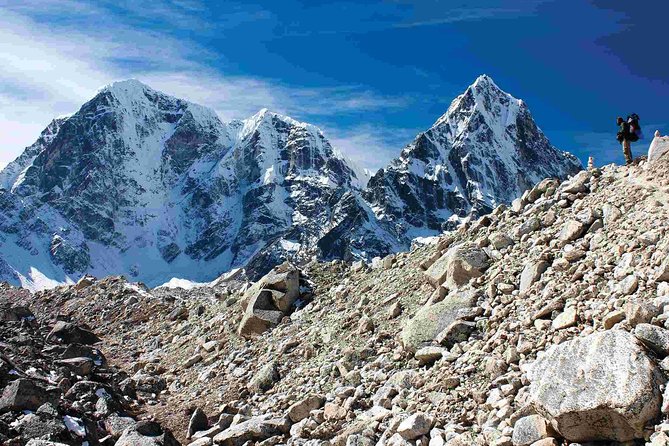
The route leaves Namche with a mix of smooth trail and short climbs. You pass Kayangjuma and Sanasa, cross the Dudh Koshi near Punki Tenga, then face a steeper ascent toward Tengboche.
Tengboche is one of the cultural and scenic centers of the route. It has the largest monastery in the Khumbu region, and the setting gives the stop a strong sense of place. You are not simply sleeping in another mountain village. You are stopping at an important religious site along the Everest trail.
The day is listed with a long time allowance, up to 12 hours, and the climb after Punki Tenga can be tiring. Save energy early. The trail may feel easy in sections, but the altitude makes every sustained uphill harder than it would at home.
Tengboche also gives you a fine mountain setting before the route moves into more exposed, higher ground. Keep your camera ready, but do not let photos turn the day into a race.
Day 6: Dingboche and the Imja Valley
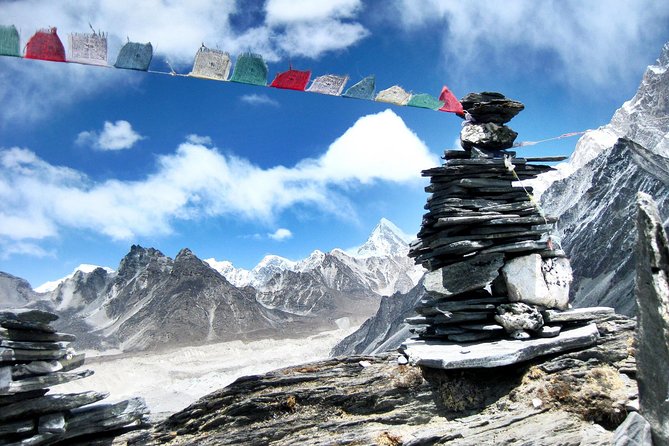
The trail continues on a higher route past chortens, mani walls, and small villages. You cross the Imja Khola and pass Pangboche, at about 3,900 meters, before entering the Imja Valley and continuing to Dingboche.
These details matter because they show how the trek changes as you climb. The forest becomes less dominant, religious markers remain part of the trail, and the villages become more closely tied to the short mountain season and the route toward Everest.
Dingboche is the second acclimatization point. Like Namche, it is not wasted time. The stop helps break up the climb and gives you a chance to judge your condition before the highest part of the route.
Altitude symptoms can appear even if you are fit. Fitness helps you walk, but it does not guarantee an easy adjustment to thin air. Your guide is there to monitor the group, and the itinerary includes an experienced English-speaking guide along with porters.
Day 7: Toward Lobuche and the Khumbu Glacier
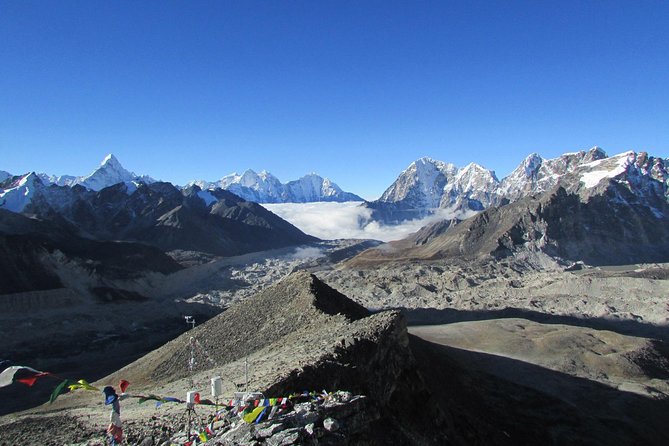
The route climbs through the Khumbu Khola Valley toward Duglha. Along the way, you pass Dusa and Phulung Karpo, then continue near Chola Lake before crossing a small bridge and climbing again.
Lobuche Peak is close to the Khumbu Glacier, with east and west summits. You are not climbing Lobuche on this itinerary, but its presence signals that the trek has entered the high mountain zone.
This section contains many ups and downs, even though the overall direction is upward. At altitude, a short rise can take real effort. The best approach is a slow, even pace, with frequent attention to how you feel rather than how quickly the strongest person in the group walks.
The accommodation is in a guest house or lodge. Tea house lodging is part of the appeal of this route because it keeps you connected to the mountain communities, but it is basic rather than hotel-like. Personal comforts such as hot showers, internet, laundry, phone calls, battery charging, and drinks cost extra.
Day 8: Everest Base Camp and a night at Gorakshep
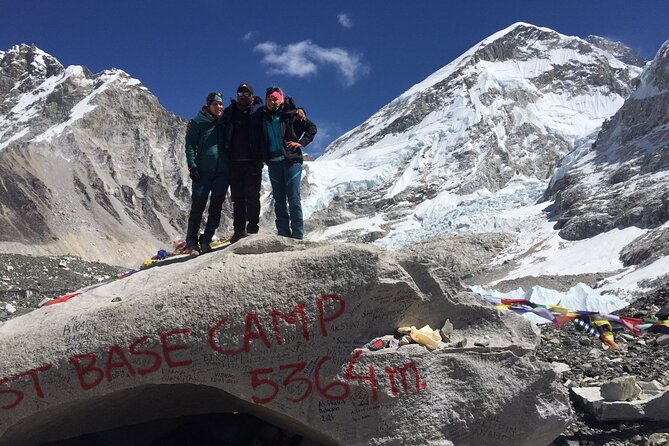
This is the emotional center of the trek. After roughly three hours of steady hiking, you reach Everest Base Camp and see the Khumbu Glacier and icefall.
Base Camp is the starting point for expeditions climbing Everest, though the famous summit itself is not the same place as the camp. Your stop here is scheduled for about 30 minutes, so expect time for photographs and a look around rather than a long stay.
You then return to Gorakshep, the last settlement on the trekking route. The return is important because you need to be in position for the early climb to Kala Patthar the next morning.
This is likely to be one of your hardest days. The route has repeated ups and downs, the air is thin, and the ground near the glacier can be rough. The guide and porter arrangement is valuable here. One porter is assigned for every two trekkers, and the package covers porter transport, food, accommodation, salary, equipment, and insurance.
Day 9: Kala Patthar, then the flight out
The final trekking morning begins with a hike to Kala Patthar, the classic viewpoint for broad views of Everest and the Khumbu peaks. The viewpoint is the trip’s highest scenic payoff, and the route information allows about 30 minutes at the summit area.
Many people value Kala Patthar as much as Base Camp because it gives you a wider mountain view. Base Camp puts you close to the glacier and expedition route. Kala Patthar lets you look across the surrounding peaks, including Everest.
After the viewpoint, you return toward the helicopter landing area and fly toward Kathmandu on a shared basis. This is the trip’s most unusual feature, but it also carries the most uncertainty. Poor weather can delay the flight, and the operator may offer a different date or a full refund if weather cancels the activity.
Confirm how the helicopter schedule works before you book. The supplied details refer to both Kala Patthar and Gorakshep, so ask where you will board, how much baggage is allowed, and what happens if the flight cannot operate that day.
Day 10: Airport transfer and onward travel
After breakfast, a private vehicle takes you to the international airport. The included transfer is useful after a physically demanding trip, especially if you have an early flight.
I would avoid booking a same-day onward connection with no spare time. The plan is built around mountain flights and weather, so a delay on the helicopter day could affect your arrival in Kathmandu. Give yourself breathing room if your international schedule allows it.
What the $3,400 price covers
At $3,400 per person, this is a significant purchase, but the cost includes much more than guided walking. You receive Kathmandu accommodation with breakfast, tea house lodging during the trek, breakfast, lunch, and dinner on trekking days, the Kathmandu to Lukla flight, and the shared helicopter flight back toward Kathmandu.
The price also covers the English-speaking guide, porters, their expenses and insurance, Everest permits, the TIMS card, government taxes, VAT, office charges, and landing and facility fees. A duffle bag, down jacket, sleeping bag, walking pole, trekking map, and trip certificate are included as well.
That package can be good value if you would otherwise need to arrange each part yourself. The helicopter return is the expensive feature that gives this route its shorter schedule. You should still budget for Nepal’s entry visa, Kathmandu lunches and dinners, personal purchases, drinks, hot showers, internet, laundry, battery charging, and tips.
Tipping is expected but not mandatory. Carry accurate US dollar cash for the visa and bring two passport photographs to speed up the entry process.
Who should choose this Everest route?
I would recommend it to a fit first-time Everest trekker who wants the classic route but does not want to spend additional days walking back to Lukla. It also suits someone who values having transport, permits, porters, meals, and lodging arranged in one package.
The 10-day schedule is not a relaxed mountain holiday. You need a moderate physical fitness level, and the itinerary includes long days at altitude. If you prefer extra rest days, more flexibility, or a slower pace, a longer trek may suit you better.
The group limit is 15, which is small enough for organized support but large enough that your pace may not always match everyone else’s. A private departure could offer more control, but that is not what this package promises.
The strongest personal connection in the service comes from the guide team. Names associated with especially helpful trips include Dipak, Ramesh Sapkota, Ram, Rabi, and Santos. Dipak and porter Ram were praised for careful support, while Ramesh Sapkota was credited with helping keep the group safe and healthy. You cannot guarantee a particular guide unless the company confirms one, so ask before booking if that matters to you.
Should you book this trip?
Book it if you want the full approach to Everest Base Camp, the two key acclimatization stops, and a helicopter exit that saves the return trek. The included equipment, meals, porters, permits, and transfers make the $3,400 price easier to understand, especially for a first high-altitude trek.
Think twice if you need a slow schedule, dislike basic tea house lodging, or cannot cope with flight uncertainty. The best reason to choose this trip is not simply the helicopter. It is the combination of a classic Khumbu route and a much quicker way out after you have reached Base Camp and Kala Patthar.
FAQ
How long is the Everest Base Camp trek with helicopter return?
The experience lasts approximately 10 days, including arrival and departure days in Kathmandu.
What is the maximum group size?
The maximum group size is 15 people.
Is the helicopter flight private?
No. The return flight from the Everest region to Kathmandu is arranged on a group-sharing basis.
Are meals included?
Breakfast, lunch, and dinner are included during the trek. Breakfast is included with the Kathmandu accommodation, but lunch and dinner in Kathmandu are not included.
Is accommodation included?
Yes. You receive Kathmandu accommodation with breakfast and guest house or lodge accommodation during the trek.
What equipment is supplied?
The package includes a duffle bag, down jacket, sleeping bag, walking pole, and trekking map. A trip achievement certificate is also included.
What happens if bad weather cancels the trip?
If poor weather cancels the experience, you can be offered a different date or a full refund. The activity also has a minimum number of participants, and a cancellation for that reason comes with the option of a different date or experience, or a full refund.
More Hiking and Trekking Trips in Kathmandu
- Everest Base Camp Trek | Deluxe Lodges | Both Way Helicopter Ride
★ 5.0 · 6 reviews - Everest base camp trek & Heli return
★ 5.0 · 6 reviews - Everest Base Camp Trek with Helicopter Flight Back
★ 5.0 · 3 reviews - Everest Base Camp Trek with Chopper Return To Kathmandu
★ 5.0 · 2 reviews
More Everest Helicopter Tours in Kathmandu
- Everest Base Camp Helicopter Tour landing at Everest View Hotel
★ 5.0 · 668 reviews - Everest Base Camp Helicopter Tour landing at Hotel Everest View
★ 5.0 · 218 reviews - Everest Base Camp helicopter tour with landing
★ 5.0 · 61 reviews - Everest Base Camp Helicopter Tour with Hotel Everest View Landing
★ 5.0 · 52 reviews
Just added around Kathmandu
- Day Tour to Everest Base Camp By Helicopter★ 5.0 · 16 reviews
- Guaranteed Landing at Everest Base Camp Kalapathar by Helicopter★ 5.0 · 38 reviews
- Mount Everest Helicopter Tour with Landings★ 5.0 · 2 reviews
- Langtang Helicopter Tour★ 5.0 · 6 reviews
- Kathmandu To Lukla By Helicopter Flight★ 5.0 · 6 reviews
- Mount Everest Scenic Helicopter Tour★ 5.0 · 6 reviews
- Everest Helicopter Tour★ 5.0 · 3 reviews
- Everest Base Camp Tour & View Point by Helicopter from Katmandu★ 5.0 · 3 reviews
Everest & Himalaya Helicopter Tours, compared.
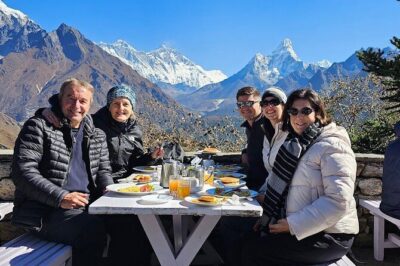
Everest Base Camp Helicopter Tour landing at Everest View Hotel
Read our review →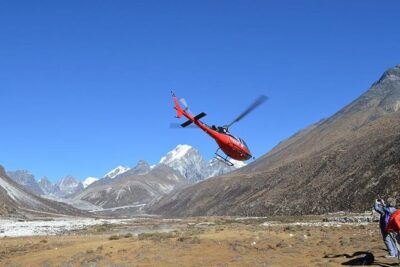
Everest Base Camp Helicopter Tour landing at Hotel Everest View
Read our review →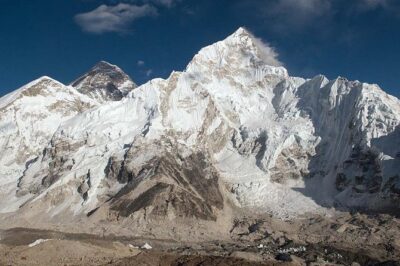
Everest Base Camp Trek with Helicopter Return from Gorakshep to Lukla
Read our review →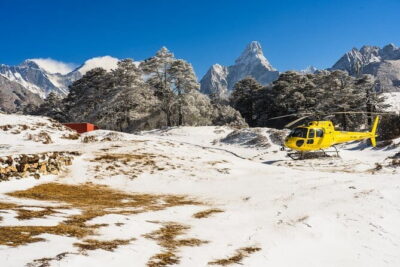
Everest Base Camp helicopter tour with landing
Read our review →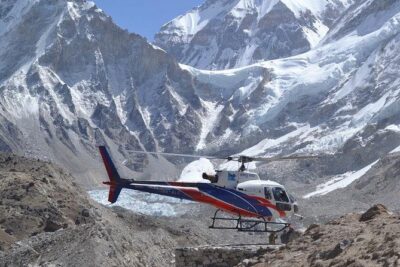
Everest Base Camp Helicopter Tour with Hotel Everest View Landing
Read our review →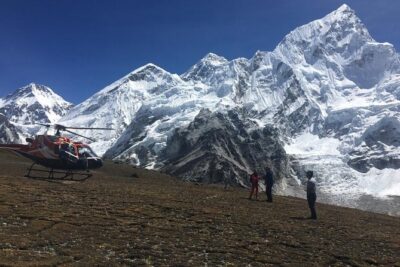
Guaranteed Landing at Everest Base Camp Kalapathar by Helicopter
Read our review →Everest Base Camp Helicopter Tour landing at Everest View Hotel.
Read our review →