
REVIEW · KATHMANDU
Everest Base Camp Helicopter Tour landing at Everest View Hotel
Seeing Everest from the ground usually takes a serious trek. This half-day helicopter flight gives you a close look at the mountain, glaciers, climbing routes, and high Himalayan valleys without committing to two weeks on foot. The key detail is that this is mainly an overflight of Everest Base Camp and Kala Patthar, followed by a landing at Hotel Everest View, not a guaranteed landing at Base Camp itself.
I like the shared five-passenger format, which keeps the price below a private charter, and I like the careful weather policy. Buddhi Bhatta provides a face-to-face briefing before departure, and the company says it will refund you if poor weather prevents the flight. The main consideration is the $1,575 price, plus $55 in listed taxes and fees, for a trip that lasts about four to five hours and depends heavily on clear skies.
Key points to know before booking
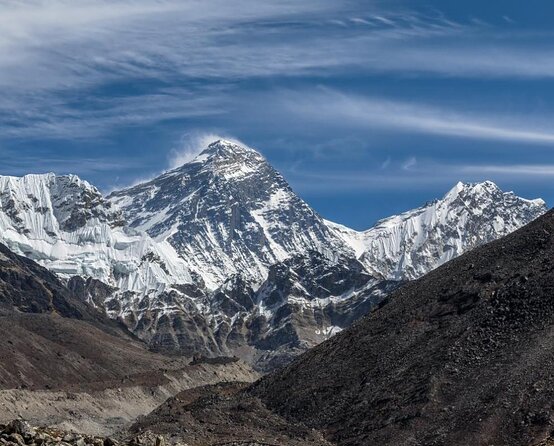
- Everest Base Camp is viewed from the air: The flight overflies the Base Camp and Kala Patthar area rather than promising a landing there.
- Hotel Everest View is the main ground stop: You have about 45 minutes at the hotel, with breakfast available at an extra cost.
- Lukla is a practical stop: The helicopter usually pauses there for fuel, giving you a glimpse of the famous trekking gateway.
- The group is shared: The helicopter carries up to five passengers and a pilot, with front-seat rotation sometimes arranged.
- Weather controls the whole day: Flights operate only in suitable conditions, and a poor-weather cancellation brings a date change or full refund.
- Allow spare days in Kathmandu: Clear mountain views are never guaranteed, so do not schedule this on the last morning of your Nepal trip.
What the Kathmandu to Everest flight really offers
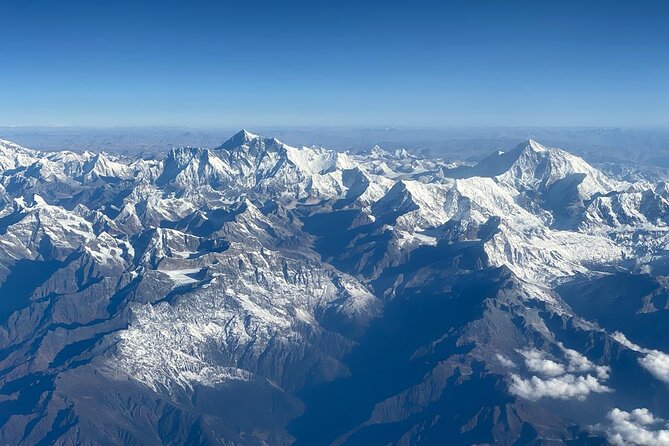
This is an efficient way to see the Everest region if you are short on time, unable to trek, or simply want a high-altitude view without sleeping in mountain lodges. From Kathmandu, you fly east toward the Khumbu region, with views of Himalayan peaks, glaciers, valleys, and the route used by trekkers heading toward Everest.
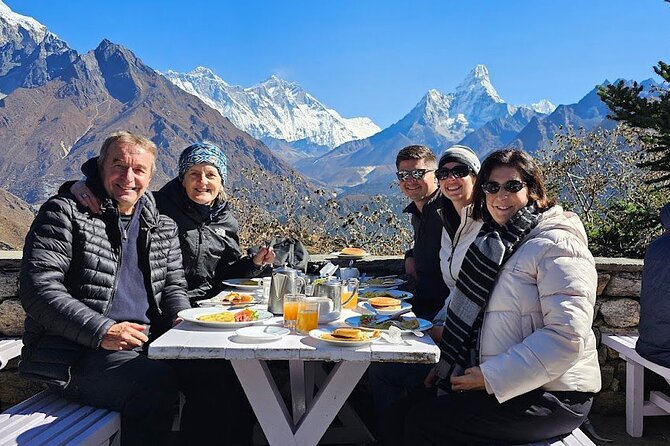
The experience combines three kinds of sightseeing. You see the mountains from the helicopter, you look down on the famous trekking route at Lukla, and you step out at Hotel Everest View for a ground-level view of Everest and its surrounding peaks.
That mix gives the tour more substance than a simple scenic flight. You are not only looking out a window for a few minutes. You also get a short stop at one of the highest hotels in the world, where the mountain view becomes the setting for breakfast or a drink.
Still, keep the promise precise. The tour description uses the phrase Everest Base Camp helicopter tour, but the supplied itinerary explains that the Base Camp and Kala Patthar section is mainly an overflight. The actual scheduled landing is at Hotel Everest View, subject to weather.
More Everest Helicopter Tours in Kathmandu:
- Everest Base Camp Helicopter Tour landing at Hotel Everest View
★ 5.0 · 218 reviews - Everest Base Camp Trek with Helicopter Return from Gorakshep to Lukla
★ 5.0 · 161 reviews - Everest Base Camp helicopter tour with landing
★ 5.0 · 61 reviews
The early start from Kathmandu
Pickup begins around 6:15 am, with hotel pickup and return included if you provide the correct hotel name and address. The early start matters because mountain visibility can change quickly, and the flight needs time for airport procedures, fuel, routing, and the high-altitude stop.
You begin at Kathmandu airport. The operator also offers a pre-trip briefing the day before, either at your hotel or in person. Buddhi Bhatta is the main contact named for the service, and the briefing is a useful part of the arrangement rather than a throwaway introduction. You can ask about the aircraft, weather, seating, clothing, passport copy, and the possibility of a delayed or canceled departure.
The helicopter is described as an Airbus H125, also called the Eurocopter 350 model. It is a small shared aircraft, so expect a compact cabin and limited personal space. A total passenger weight limit of 265 pounds is listed, and anyone over 100 kilograms should contact the operator after booking.
The flight may not follow exactly the same route every day. The captain can return through Lukla or fly directly, depending on fuel and operating conditions. That flexibility is practical, but it means you should not treat every minute of the published route as fixed.
Lukla, the mountain airport with a purpose
Lukla is usually the first important stop, with about 10 minutes set aside for refueling. This is the airport where many Everest trekkers begin their journey, so even a short stop gives the flight a strong connection to the classic walking route.
Do not expect a long village visit here. The stop is primarily operational, and the schedule may keep you near the airport. Still, Lukla helps you understand the scale of the trip. People who spend days walking from here toward Everest see the same valleys and ridges at a much slower pace. From a helicopter, you receive the fast version of that journey.
The timing can also change. Helicopter operations in the Himalayas are affected by visibility, air traffic, fuel, and rescue work. One account describes extra waiting at Hotel Everest View while the helicopter handled a rescue. That is a good reminder that safety and real mountain operations take priority over a perfect timetable.
Overflying Base Camp and Kala Patthar
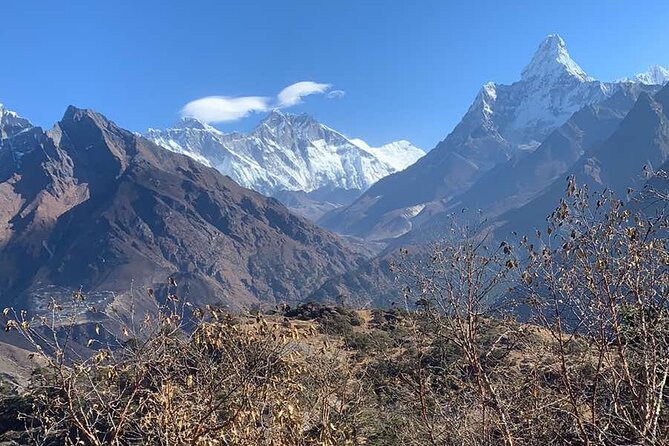
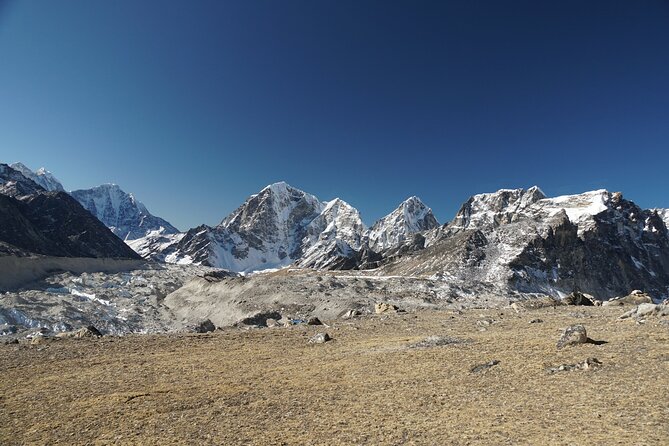
The most dramatic part of the flight is the high section near Everest. You fly over the Base Camp area and Kala Patthar, with views of Everest, glaciers, mountain routes, and the surrounding peaks. The aircraft provides the closest practical look at the region for someone who does not want to complete a long trek.
Kala Patthar is especially important because it is known for its broad view toward Everest. From the helicopter, you can see the high ridges and the terrain around the camp from a perspective that walkers do not get. The operator describes this section as a flyover designed for photographs and video.
Your seat matters here. The helicopter is shared, and the cabin is small, but each person should have a window position during the high section. Some groups arrange turns in the front seat beside the pilot, giving each passenger a fair chance at the best forward view. Ask about this during the briefing, since seating arrangements can depend on the group and operating conditions.
Bring a phone or camera that is ready before the flight. You may have only a short time over the most dramatic points, and changing seats or reaching for gear during the flight can make you miss the view. A warm jacket is essential, even if Kathmandu feels mild. The operator advises clothing for temperatures around 0 degrees Celsius in summer and spring, and about -1 to -2 degrees Celsius in winter at the highest points.
A few more helicopter tours around Kathmandu worth a look
- Everest Base Camp Helicopter Tour with Hotel Everest View Landing
★ 5.0 · 52 reviews - Guaranteed Landing at Everest Base Camp Kalapathar by Helicopter
★ 5.0 · 38 reviews - Everest Base Camp Helicopter Tour landing at Everest View Hotel.
★ 5.0 · 34 reviews - Everest Base Camp Trek with Helicopter Return to Lukla – 10 Days
★ 5.0 · 34 reviews
Landing at Hotel Everest View
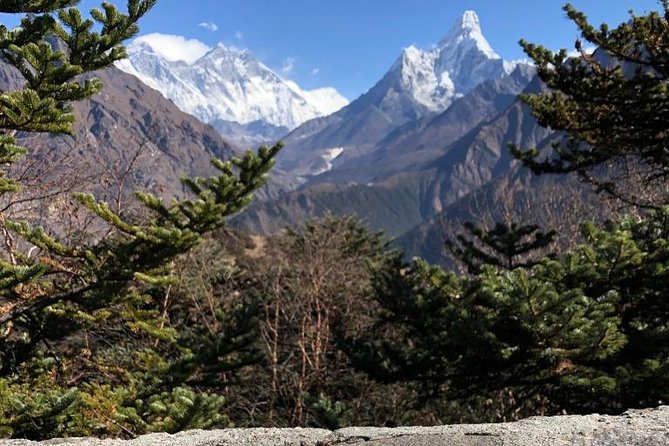
The ground stop at Hotel Everest View is the heart of the tour for many people. You get about 45 minutes to leave the helicopter, take photographs, and look toward Everest from a mountain hotel rather than through glass.
Breakfast is optional and not included. It is also worth noting that the meal can be large. If you are traveling with a companion, sharing it may be sensible, especially since the main value here is the view and the setting rather than a long restaurant visit.
The stop is weather dependent. If cloud moves in, the helicopter may not be able to use the landing area or you may receive less time outside. One flight had to skip the hotel because conditions deteriorated, while another had extra waiting time there during a rescue operation. These are not flaws in the concept. They are part of flying in a high mountain region, but they do mean you should keep your expectations flexible.
At high altitude, you may feel short of breath, and the cold can be sharp. Move slowly, keep your jacket on, and do not treat the stop like a normal breakfast break in Kathmandu. The altitude is part of the experience, but it also limits how long you will want to walk around.
The return to Kathmandu
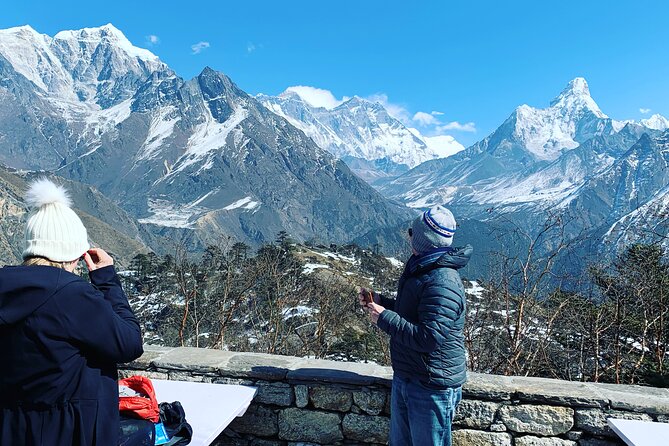
After the hotel stop, the helicopter returns to Kathmandu, often through Lukla, although the captain may choose a direct route based on fuel and conditions. The return flight gives you another chance to photograph the valleys and peaks, though the light and cloud may look different from the morning journey.
The total duration is listed as about four to five hours. Some itinerary sections show roughly one hour for the outbound and return legs, with shorter stops at Lukla and Hotel Everest View. In practice, airport procedures, refueling, passenger changes, weather checks, and waiting can affect the timetable.
Plan nothing important immediately afterward. A flight may return close to schedule, but mountain aviation does not reward tight connections. If you have an international departure later that day, allow a generous buffer or schedule the helicopter for an earlier day in your Nepal visit.
Is $1,575 a fair price?
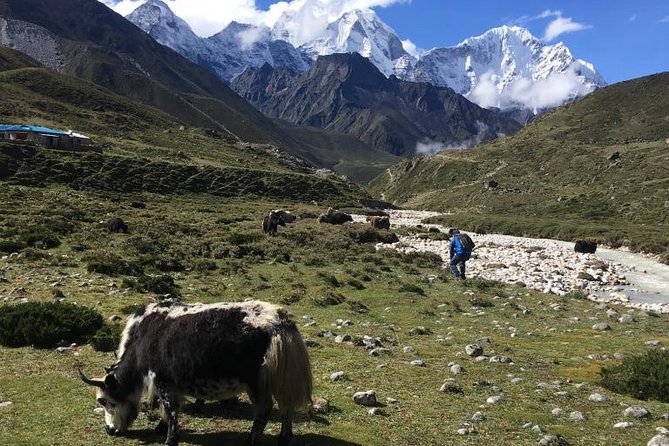
At $1,575 per person, this is not a cheap sightseeing ride. The listed price is for a shared helicopter, and an additional $55 per person is charged for national park fees, municipal tax, airport tax, and other listed taxes. Breakfast is also extra.
The value depends on what you are comparing. Against a two-week Everest trek, the flight saves a great deal of time, walking, accommodation, food, permits, and physical effort. Against a standard mountain flight from Kathmandu, it costs more because you receive multiple landings or stops and time at Hotel Everest View.
I see the price as reasonable only if Everest is a major personal goal and you have limited time. It is a poor fit if you simply want an inexpensive mountain panorama. Weather risk also affects the value. You could spend time preparing for the flight and still receive a cancellation, though the company states that a weather cancellation brings a full refund or a new date.
The shared arrangement helps. Five passengers split the aircraft cost, and you still receive hotel pickup, a briefing, airport handling, and an organized return. A private flight would usually be a different price category, so this format makes the experience more reachable without making it inexpensive.
Safety, weather, and the honest trade-offs
The strongest practical feature is the company’s willingness to stop for weather. Several accounts describe flights postponed or canceled because of low visibility, with refunds or new dates arranged. That is exactly the policy you want in the Himalayas. A flight that does not go is frustrating, but pressing ahead in poor mountain weather is worse.
You should build flexibility into your schedule. The operator recommends trying the flight early in your stay in Nepal and giving yourself several possible dates. If you have only one free morning, you are taking a real gamble.
The main drawbacks are the short duration, high price, cold, altitude, and uncertain schedule. You may also spend time waiting at the helipad or airport if visibility changes. One account specifically found a period of standing near the helipad less comfortable than waiting in the shuttle bus.
The flight is not described as a difficult activity, and most people can participate. It does involve a small aircraft, high altitude, cold air, and strict weight information. Share your body weight if requested, carry a passport copy on your phone, and listen to the pilot and ground staff.
Who should book this flight?
I would recommend it to you if Everest is high on your list and you do not have the time, fitness, or desire for a long trek. It also suits couples, solo visitors, and small groups who want a major mountain experience in a single morning.
It is especially useful for photographers, though a second person in your group may need to accept fewer camera opportunities if you want to concentrate on shooting. A mountain-identification app can also help you understand the peaks as you fly, but no app is a substitute for simply looking up and taking in the view.
I would not choose it for a last-minute, one-day gamble during a short Nepal visit. Give yourself spare days, keep your plans loose, and accept that the hotel breakfast may be skipped if weather turns.
Should you book the Everest helicopter tour?
Book it if you see the price as the cost of reaching a lifelong goal without a long trek. The combination of a Base Camp overflight, a Lukla refueling stop, and time at Hotel Everest View gives you more than a quick pass over the mountains.
Before paying, confirm three points: the current total price including the $55 listed fees, whether breakfast is included in your chosen arrangement, and the exact plan for Base Camp viewing versus landing. Then give yourself extra days in Kathmandu and bring serious cold-weather clothing.
For a clear morning, this can be a powerful and efficient way to see Everest. For poor weather, the best outcome is a canceled flight and a refund. That is a good bargain compared with a risky departure.
FAQ
How long does the Everest helicopter tour take?
The experience lasts about four to five hours, including the flight, the Lukla fuel stop, and the Hotel Everest View stop.
Does the helicopter land at Everest Base Camp?
The itinerary describes a flyover of the Everest Base Camp and Kala Patthar area. The scheduled landing is at Hotel Everest View, subject to weather.
Where does the tour begin?
The flight begins at Kathmandu airport, with hotel pickup offered. The listed start time is 6:15 am.
How many passengers share the helicopter?
The shared helicopter arrangement includes up to five passengers and one pilot.
Is breakfast at Hotel Everest View included?
No. Breakfast is optional and the admission or meal cost is not included.
Does the tour stop at Lukla?
Yes. Lukla is listed as a roughly 10-minute stop for fuel. It is also the airport used by many people beginning the trek toward Everest Base Camp.
What clothing should I bring?
Bring a warm jacket or warm clothing. The operator advises preparing for approximately 0 degrees Celsius in summer and spring, and around -1 to -2 degrees Celsius in winter at the highest points.
What happens if the weather cancels the flight?
You are offered another date or a full refund if poor weather cancels the experience. The operator says flights operate only on suitable days.
Can I cancel my booking?
You can cancel at least 24 hours before the start time for a full refund. Cancellations or changes made less than 24 hours before the start time are not accepted for a refund.
Just added around Kathmandu
- Mount Everest Helicopter Tour with Landings★ 5.0 · 2 reviews
- Day Tour to Everest Base Camp By Helicopter★ 5.0 · 16 reviews
- Guaranteed Landing at Everest Base Camp Kalapathar by Helicopter★ 5.0 · 38 reviews
- Langtang Helicopter Tour★ 5.0 · 6 reviews
- Kathmandu To Lukla By Helicopter Flight★ 5.0 · 6 reviews
- Mount Everest Scenic Helicopter Tour★ 5.0 · 6 reviews
- Everest Helicopter Tour★ 5.0 · 3 reviews
- Everest Base Camp Tour & View Point by Helicopter from Katmandu★ 5.0 · 3 reviews
Everest & Himalaya Helicopter Tours, compared.
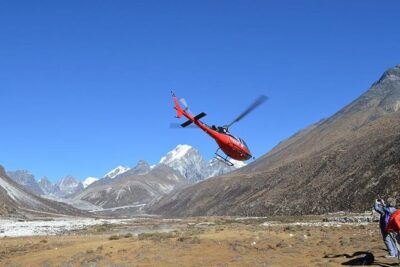
Everest Base Camp Helicopter Tour landing at Hotel Everest View
Read our review →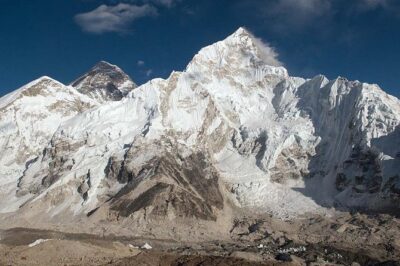
Everest Base Camp Trek with Helicopter Return from Gorakshep to Lukla
Read our review →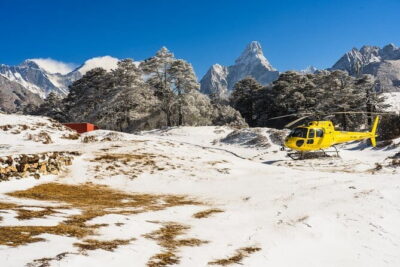
Everest Base Camp helicopter tour with landing
Read our review →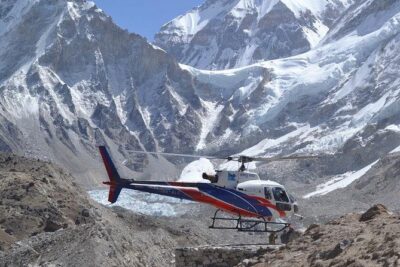
Everest Base Camp Helicopter Tour with Hotel Everest View Landing
Read our review →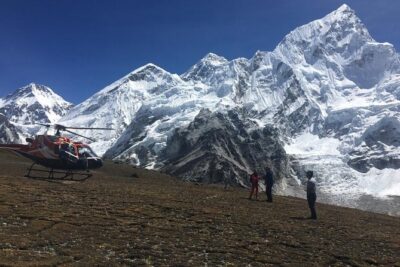
Guaranteed Landing at Everest Base Camp Kalapathar by Helicopter
Read our review →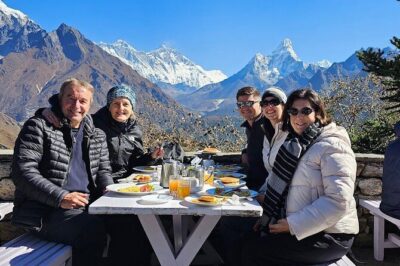
Everest Base Camp Helicopter Tour landing at Everest View Hotel.
Read our review →
Everest Base Camp Trek with Helicopter Return to Lukla – 10 Days
Read our review →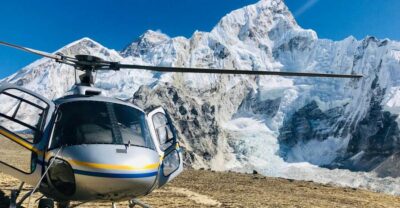
Browse the lists this tour appears in