
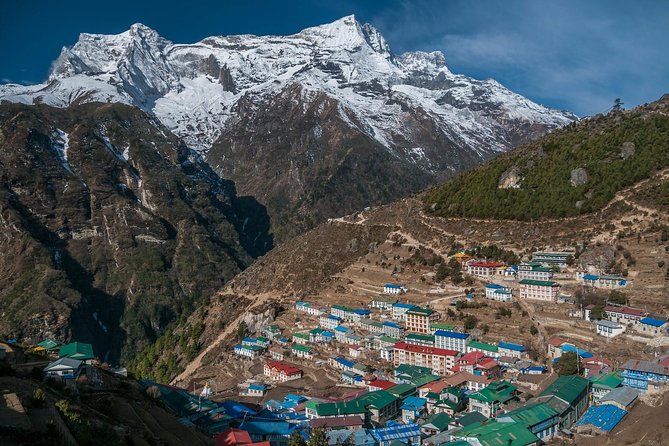
REVIEW · KATHMANDU
Everest Base Camp Trek with Chopper Return to Lukla
Getting to Everest Base Camp is demanding enough. Returning by helicopter from Gorekshep makes this nine-day Himalayan trek shorter and less tiring than a standard round trip on foot. You still get the suspension bridges, cold mountain air, Sherpa communities, and long trail days, but you avoid retracing the entire route.
I like two things right away. First, the package includes the big practical items: domestic flights, meals, guesthouses, a licensed English-speaking guide, sleeping bag, duffel bag, map, and a shared porter for every two people. Second, the guide team matters here, and KB and Raj are specifically named as excellent leaders who helped make the hike more enjoyable.
The main caution is simple: this is not a gentle sightseeing trip. You need moderate physical fitness, patience with cold conditions and strong winds, and a willingness to sleep in basic guesthouses. Also confirm every payment detail before booking, since one past participant reported an additional 4 percent card charge.
Key points to know before booking
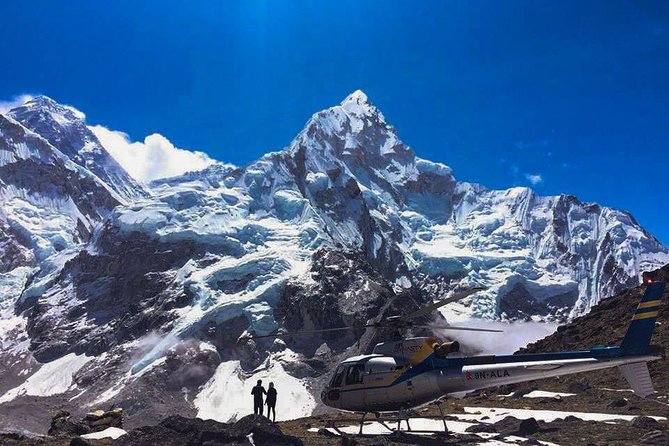
- Helicopter return from Gorekshep: You trek toward Everest Base Camp, then fly from Gorekshep to Lukla rather than walking the whole route back.
- Early start from Kathmandu: Pickup begins at 6:00 am, with roughly a 20-minute drive from Thamel to the airport.
- Small group size: The maximum is 15 people, large enough for company but still manageable on a mountain trail.
- Shared porter support: One porter is provided for every two trekkers, while you carry your own day-to-day essentials.
- Meals and mountain lodging included: Breakfast, lunch, dinner, and guesthouse accommodation are covered during the trek.
- Emergency planning included: A standby helicopter is listed for emergency situations, though travel insurance remains your responsibility.
Why the Gorekshep helicopter return changes the trek
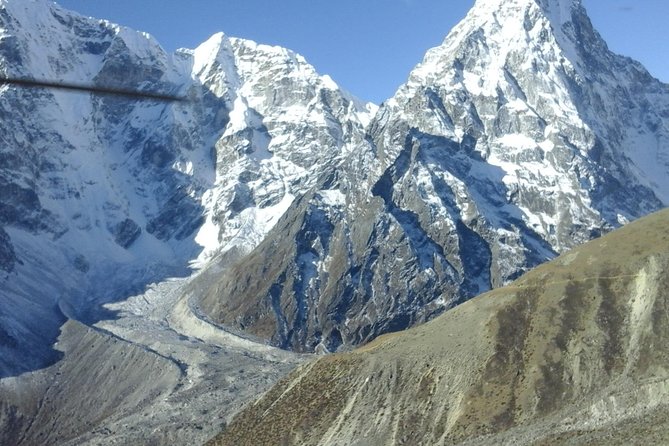
The clever part of this itinerary is not the flight into Lukla. Almost every Everest Base Camp route begins there. The useful difference comes at the far end, when you take a helicopter from Gorekshep back to Lukla.
That saves you from walking back over the same trail. For many people, this is the point where a Himalayan trip becomes more realistic. You still face the hard outward journey, but the return does not require several more days of descending on tired legs.
The helicopter also adds flexibility to a nine-day schedule. The package lists a transfer from Gorekshep to Lukla, followed by the domestic flight connection between Kathmandu and Lukla. Since mountain flights can be affected by weather, you should treat the schedule as approximate rather than fixed to the minute.
The helicopter is not a substitute for fitness. You still need to reach Gorekshep, and the trek includes cold temperatures, strong winds, suspension bridges, and long walking days. Think of the flight as a smart return plan, not an easy version of Everest Base Camp.
More Everest Helicopter Tours in Kathmandu:
- Everest Base Camp Helicopter Tour landing at Everest View Hotel
★ 5.0 · 668 reviews - Everest Base Camp Helicopter Tour landing at Hotel Everest View
★ 5.0 · 218 reviews - Everest Base Camp Trek with Helicopter Return from Gorakshep to Lukla
★ 5.0 · 161 reviews
Leaving Kathmandu at 6:00 am
Your day begins with pickup in Kathmandu at 6:00 am. From Thamel, the airport drive takes about 20 minutes, though the exact timing depends on where you are staying and the morning traffic.
A pre-trek coffee meeting is included. This is useful for checking the plan, meeting the guide, and making sure you understand what the porter arrangement means. One porter is shared between two trekkers, so you should pack with that limit in mind rather than expecting someone to carry every item you bring.
Domestic flights to Lukla are part of the package. Lukla is the gateway for the Everest region, and the short flight gets you into the mountains quickly. You then have breakfast in Lukla before setting out on foot.
The early start has a practical advantage. You get moving before the day has fully warmed up, and you have more time available for the first walking stage. It also means you should be ready the evening before, with documents and daypack arranged.
Lukla to Phakding beside the Dudh Koshi River
The first trek follows the Dudh Koshi River toward Phakding. The listed walking time is about three to four hours, making this a relatively short opening day compared with the harder stages later in the route.
This section gives you your first real taste of mountain walking. You will cross suspension bridges and feel the temperature shift as you leave the airport area behind. The river, bridges, breezy air, and walking path provide an immediate change from Kathmandu.
Phakding is the first overnight point named in the itinerary. You stay in a guesthouse, with meals included as part of the trekking package. Do not expect city hotel comfort. Guesthouse accommodation is practical and basic, and the value comes from having a bed, food, and a guide team arranged along a remote route.
Starting with three to four hours is sensible. It lets your body adjust to walking conditions without making the first day unnecessarily punishing. You should still take it seriously, since the cold and mountain air can make a short hike feel harder than the clock suggests.
The trail toward Everest Base Camp
The supplied plan identifies the overall goal as Everest Base Camp but does not provide a day-by-day list of every village or overnight stop after Phakding. That matters when you are comparing packages. Ask for the full daily schedule before paying so you know where you sleep, how many hours you walk each day, and how much time is reserved for adjustment.
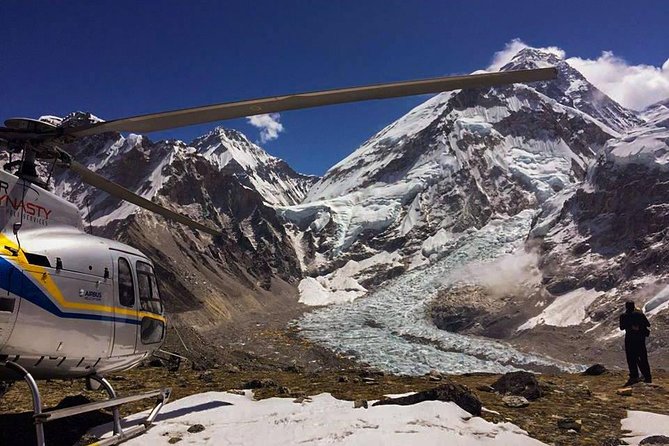
What is clear is the character of the route. You will continue through a high Himalayan setting, crossing suspension bridges and walking in cold temperatures with strong winds possible. The trip is designed to feel active and demanding rather than polished or luxurious.
The guide is central to the experience. You have a licensed English-speaking guide, and the names KB and Raj are associated with this particular guiding team. Their role is more than pointing out the path. A good guide keeps the group together, helps manage the pace, and provides a steady presence when the weather or fatigue makes the day harder.
You also have porter support. The arrangement of one porter for two trekkers keeps the price lower than a private porter for each person, but it means you need to cooperate with your companion and limit what goes into the shared duffel. Keep your passport, money, medicines, water, warm layer, and other essentials in your daypack.
The included sleeping bag and duffel bag are useful touches. They reduce the amount of specialist equipment you need to arrange in Kathmandu. You also receive an area trekking map, which helps you understand where you are, even if the guide remains the person you rely on for daily direction.
More Hiking and Trekking Trips in Kathmandu:
- Everest Base Camp Trek with Helicopter Return to Lukla – 10 Days
★ 5.0 · 34 reviews - Everest Base Camp Trek with Helicopter Return -11 Days
★ 5.0 · 12 reviews - Helicopter Return Everest Base Camp Trek, KTM-LUKLA & Gorakshep-KTM by Heli
★ 5.0 · 9 reviews - Everest Base Camp Trek with Helicopter Return – 10 Days
★ 5.0 · 9 reviews
What the guesthouse and meal package really means
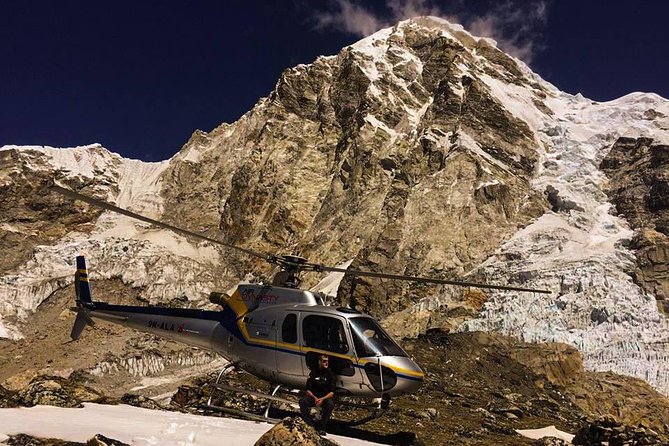
Breakfast, lunch, and dinner are included during the trek. That is valuable in the Everest region because buying every meal separately can make budgeting harder, particularly when you are walking for most of the day.
The meals are part of the basic trekking setup, not a restaurant holiday. You should expect simple food suited to a mountain route. The package allows you to focus on walking without constantly wondering where the next meal comes from.
Drinks are not included, and alcoholic drinks are available to purchase. Personal costs such as phone calls, laundry, bar bills, souvenirs, and extra porters are also outside the package. Carry a reserve for these items, but remember that the trip price does not cover every expense once you leave Kathmandu.
You should give dietary requirements when booking. That gives the operator a chance to plan ahead, which is especially important on a route where food choices can be more limited than in the capital.
Reaching Gorekshep and returning by helicopter
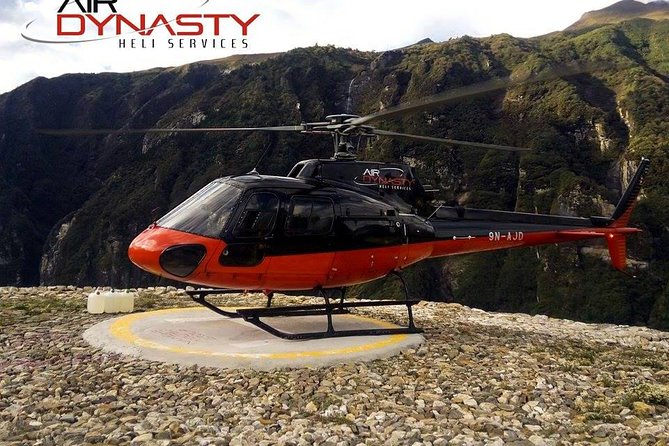
Gorekshep is the point named for the helicopter transfer. The package includes the helicopter cost from Gorekshep to Lukla, which is the feature that separates this trip from a conventional out-and-back trek.
The exact time of the flight can depend on weather and operating conditions. The itinerary also lists a standby helicopter for emergency situations. That is reassuring as part of the operator’s planning, but it does not replace travel insurance. Insurance is not included and should be arranged separately.
Once you reach Lukla by helicopter, the remaining return arrangements use the domestic flight connection listed in the package. The full route is described as Kathmandu to Lukla and Lukla to Kathmandu by domestic airplane, with the helicopter covering the Gorekshep to Lukla section.
Ask the operator to explain how the flight connections work for your dates. The helicopter and airplane are different parts of the transport plan, and mountain weather can affect both. A little clarity before departure prevents confusion at the end of a tiring trek.
Is $2,000 a fair price?
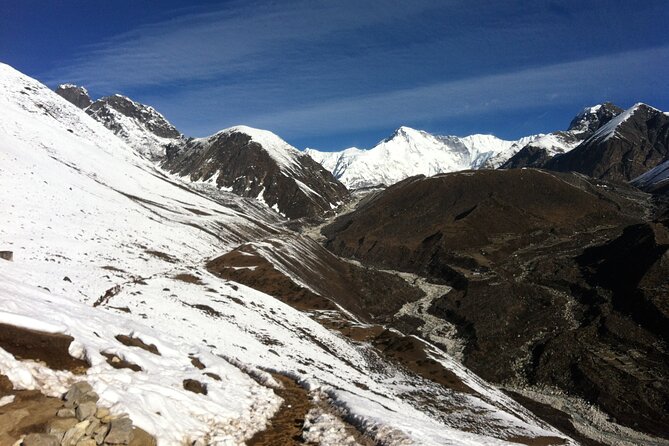
At $2,000 per person, this is not a budget walk. It is also not just a guide fee. The price includes airport pickups and drops, the pre-trek meeting, trekking meals, guesthouse lodging, domestic flights, guide service, shared porter support, sleeping bag, duffel, map, helicopter transfer from Gorekshep to Lukla, a standby helicopter for emergencies, a certificate, and a farewell dinner.
The helicopter is the biggest value factor. If you would otherwise pay for several additional return trekking days, meals, lodging, and guide and porter support, the higher price begins to make sense. You are paying for time saved as well as transport.
The package does not include Kathmandu accommodation or meals, travel insurance, drinks, tips, personal expenses, extra porters, or optional sightseeing. Add those costs before deciding if the price fits your budget.
I would also confirm the payment method and any surcharge in writing. One past account described a 4 percent card charge, so it is worth asking about this before booking rather than discovering it at the payment stage.
Who will enjoy this route most?
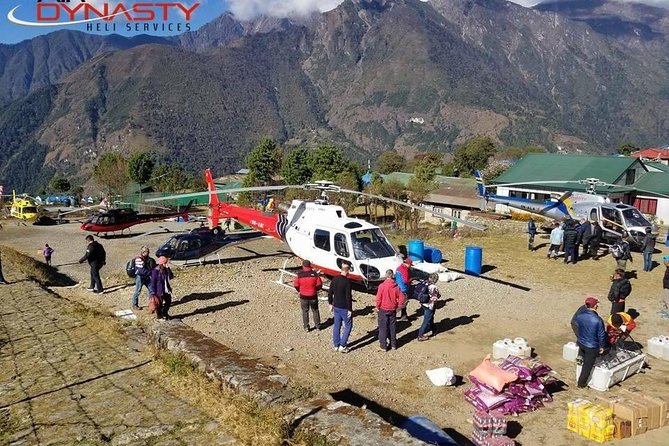
This trip suits you if you want the major Everest Base Camp challenge but have limited time for the return walk. It also works well if the thought of retracing the route feels less appealing than spending those days in Kathmandu or finishing with a helicopter flight.
You should be comfortable with basic accommodation and a physically demanding schedule. The operator lists a moderate fitness requirement, and the minimum age is 10. The trip is not recommended for children under four, although that age is below the stated minimum for this activity.
The maximum group size is 15. That gives you the social feel of a group trip without guaranteeing an intimate private experience. If you prefer your own pace or need special support, ask how the group is organized and whether a private arrangement is possible.
The guiding team deserves attention when you compare options. KB and Raj are specifically identified as excellent guides, and the porter team is also described as friendly and dependable. Strong support can make a noticeable difference when the trail becomes cold, windy, or tiring.
What is not included in the fine print
Pickup is offered, and the activity begins and ends at the Kathmandu meeting point. Service animals are allowed, and the location is near public transportation, but the trip itself is a mountain trek, not an urban sightseeing outing.
You must provide each participant’s passport name, passport number, expiry date, and country at booking. Have those details ready to avoid delays.
The drinking age for the activity is listed as 16. Alcohol is not included, and drinks generally cost extra. Tips for the guide and Sherpa team are also not included, so plan for them as a separate personal expense.
Cancellation is free if you cancel at least 24 hours before the local start time. Cancellations made less than 24 hours before departure, along with late changes, are not accepted for a refund. That is a reasonable window, but mountain plans can change, so read the conditions before committing.
Should you book this Everest Base Camp trek?
I would choose this trip if reaching Everest Base Camp is your priority and you want to cut the return journey with a helicopter. The package covers enough of the costly essentials to make the $2,000 price easier to justify, especially the Gorekshep to Lukla flight and the included porter support.
I would hesitate if you want a relaxed holiday, private hotel rooms, or a fully itemized day-by-day schedule before booking. The trek is cold, physical, and basic, and the available information does not spell out every overnight stop after Phakding.
Before you pay, ask for the full route plan, confirm the helicopter and flight arrangements, check for card surcharges, and verify what your insurance covers. If those points are clear, this is a practical way to experience Everest Base Camp without walking the entire return route.
FAQ
How long does the Everest Base Camp trek with helicopter return take?
The activity lasts approximately nine days.
Where does the activity start and finish?
It starts and ends at the Kathmandu meeting point in Nepal.
What time does pickup begin?
The listed start time is 6:00 am. The drive from Thamel to the airport takes around 20 minutes.
Is transportation from Kathmandu to Lukla included?
Yes. Kathmandu to Lukla and Lukla to Kathmandu domestic airplane transportation is included, along with the helicopter transfer from Gorekshep to Lukla.
What accommodation is included?
Guesthouse accommodation during the trek is included. Accommodation in Kathmandu is not included.
Are meals included?
Breakfast, lunch, and dinner during the trek are included. Meals in Kathmandu are not included, and drinks and alcoholic drinks cost extra.
What is the minimum age and group size?
The minimum age is 10. The group can include a maximum of 15 people.
Can I cancel for a full refund?
Yes, if you cancel at least 24 hours before the experience start time. Cancellations or changes made less than 24 hours before the start are not accepted for a refund.
Just added around Kathmandu
- Mount Everest Helicopter Tour with Landings★ 5.0 · 2 reviews
- Day Tour to Everest Base Camp By Helicopter★ 5.0 · 16 reviews
- Guaranteed Landing at Everest Base Camp Kalapathar by Helicopter★ 5.0 · 38 reviews
- Langtang Helicopter Tour★ 5.0 · 6 reviews
- Kathmandu To Lukla By Helicopter Flight★ 5.0 · 6 reviews
- Mount Everest Scenic Helicopter Tour★ 5.0 · 6 reviews
- Everest Base Camp Helicopter Tour with Hotel Everest View Landing★ 5.0 · 52 reviews
- Everest Helicopter Tour★ 5.0 · 3 reviews
Everest & Himalaya Helicopter Tours, compared.
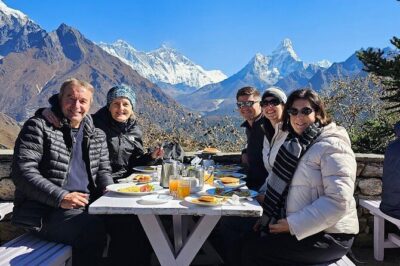
Everest Base Camp Helicopter Tour landing at Everest View Hotel
Read our review →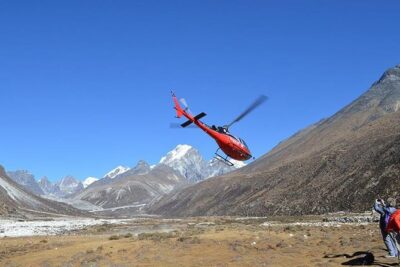
Everest Base Camp Helicopter Tour landing at Hotel Everest View
Read our review →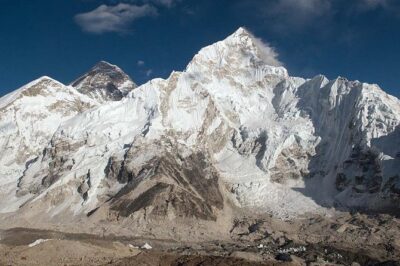
Everest Base Camp Trek with Helicopter Return from Gorakshep to Lukla
Read our review →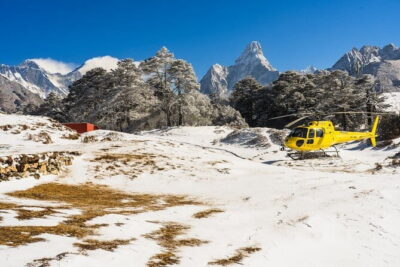
Everest Base Camp helicopter tour with landing
Read our review →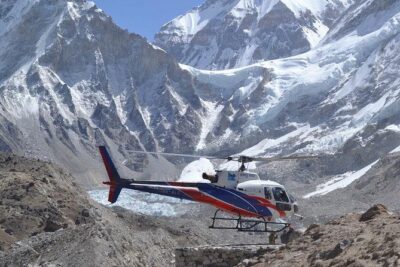
Everest Base Camp Helicopter Tour with Hotel Everest View Landing
Read our review →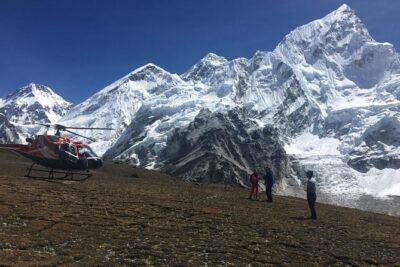
Guaranteed Landing at Everest Base Camp Kalapathar by Helicopter
Read our review →Everest Base Camp Helicopter Tour landing at Everest View Hotel.
Read our review →
Everest Base Camp Trek with Helicopter Return to Lukla – 10 Days
Read our review →Browse the lists this tour appears in