
REVIEW · KATHMANDU
Everest base camp trek & Heli return
The big appeal here is speed: you walk the classic route to Everest Base Camp in six days, then replace the long return trek with a shared helicopter flight from Gorakshep. That makes the trip possible in one week, but it also means a demanding climb with little spare time for your body to adjust.
I like the close contact with Sherpa villages, tea-house lodges, prayer walls, rhododendron forests, and high mountain views. I also like the practical support: an English-speaking, government-licensed guide, airport transfers, meals, the Lukla flight, and the helicopter return are included. The main drawback is the pace. Altitude and long walking days leave little room for weather delays or feeling unwell.
Key points before you book
- Six days on foot, one flight home: You trek upward from Lukla to Base Camp, then fly from Gorakshep after Kala Patthar.
- A 5:15 am start: The trip begins at the domestic terminal parking area in Kathmandu.
- High-altitude finish: Everest Base Camp sits at 5,364 meters, while Kala Patthar reaches 5,545 meters.
- Simple mountain lodging: You sleep in tea-house lodges, with meals included during the trek.
- Small group size: The group can include up to 15 people.
- Strong guide support: Padam receives praise for calm help, English communication, and mountain experience. Kesh handles trip communication and practical arrangements.
A fast route to Everest Base Camp
This is not the usual two-week return trek. You go up the Khumbu Valley on foot and come back by helicopter, saving several walking days. At $3,195 per person, the price is high, but it includes several expensive pieces: airport transfers, the Kathmandu to Lukla flight, a licensed guide, trekking permits and entrance fees, six nights of tea-house lodging, six breakfasts, six lunches, six dinners, and the shared helicopter from Gorakshep to Kathmandu.
That package can offer fair value if you want a short trip and would otherwise need to arrange each part yourself. The helicopter return is the big cost item, and it is also the feature that makes the seven-day schedule possible. You should still budget for Kathmandu hotels, drinks, bottled or mineral water, hot showers, Wi-Fi, charging, personal equipment, insurance, and emergency evacuation.
The trip starts at 5:15 am at the TIA domestic terminal parking lot in Kathmandu. Early starts are normal here because the Lukla flight comes first, followed by several hours of walking. Pickup and drop-off are included for your arrival and departure, which is useful when you are carrying trekking bags and dealing with an unfamiliar airport.
More Everest Helicopter Tours in Kathmandu:
- Everest Base Camp Helicopter Tour landing at Everest View Hotel
★ 5.0 · 668 reviews - Everest Base Camp Helicopter Tour landing at Hotel Everest View
★ 5.0 · 218 reviews - Everest Base Camp Trek with Helicopter Return from Gorakshep to Lukla
★ 5.0 · 161 reviews
Day 1: Lukla to Phakding
The first flight takes you from Kathmandu to Lukla. From there, you walk to Phakding at about 2,600 meters, a three to four-hour day.
Phakding is a sensible first stop because the altitude gain is limited compared with later days. You get your first taste of the trail without immediately pushing toward a high pass or major summit. The day still demands focus, since you have started early and are likely carrying everything needed for a week in the mountains.
Your night is in a tea-house lodge. These lodges are basic, shared mountain accommodation rather than city hotels. The price includes the room and meals, but not hot showers, Wi-Fi, drinks, or charging. Bring cash for those extras, since the package does not cover personal spending.
Day 2: Phakding to Namche Bazaar
The route to Namche Bazaar takes four to five hours and climbs to about 3,500 meters. This is where the trek begins to feel serious.
Namche is the main trading and service center in the Khumbu region. The late afternoon is set aside to explore around town, giving you a chance to walk a little, settle in, and let your body respond to the altitude. The schedule does not describe a separate acclimatization day, so this short exploration period matters.
You should keep your pace steady rather than trying to prove anything on the first uphill stretch. Namche is also a good place to ask your guide about the next few days, especially if you are unsure how your body is handling the climb.
Day 3: Namche to Tengboche
From Namche, you continue to Tengboche at 3,870 meters. The walking time is about four to five hours.
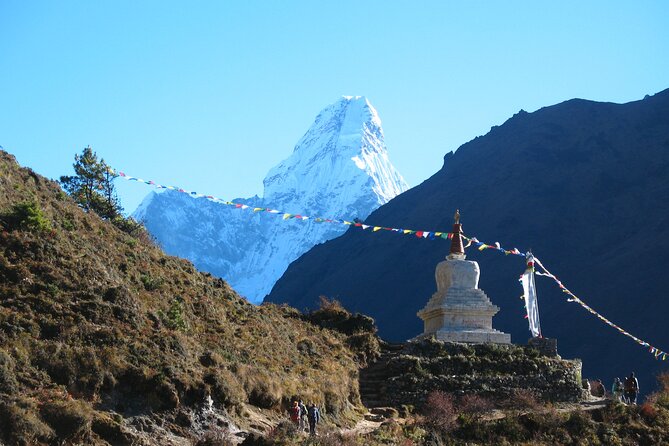
This is one of the most attractive sections of the route. The path passes through rhododendron forest, along Mani walls, and beside chortens. You also get broad Himalayan views along the way. The route feels more cultural here because prayer stones and Buddhist structures are part of the trail, not separate sightseeing stops.
Tengboche gives you a higher night and another test of your legs. The day is not especially long on paper, but the uphill sections and altitude can make it feel slower. Keep water close and use the guide’s advice about pace and rest.
More Hiking and Trekking Trips in Kathmandu:
- Everest Base Camp Trek with Helicopter Return to Lukla – 10 Days
★ 5.0 · 34 reviews - Everest Base Camp Trek with Helicopter Return -11 Days
★ 5.0 · 12 reviews - Helicopter Return Everest Base Camp Trek, KTM-LUKLA & Gorakshep-KTM by Heli
★ 5.0 · 9 reviews - Everest Base Camp Trek with Helicopter Return – 10 Days
★ 5.0 · 9 reviews
Day 4: Tengboche to Dingboche
The trek from Tengboche to Dingboche takes about six hours. You first descend through rhododendron forest to Deboche, then cross a bridge over the Imja Khola. The trail rises again toward Pangboche and Somare before continuing to Dingboche.
This is a day of repeated change: down to the river, across the bridge, then steadily up. That pattern can be harder than one smooth climb because your legs must keep adjusting. The river crossing adds a memorable point to the route, but the main task is reaching Dingboche without burning too much energy.
At roughly 4,400 meters, Dingboche brings you into thinner air. The schedule does not include a full rest day here, so you should treat the evening as recovery time. Eat the included dinner, organize your clothing for the next morning, and avoid spending your limited energy on unnecessary extras.
Day 5: Dingboche to Lobuche
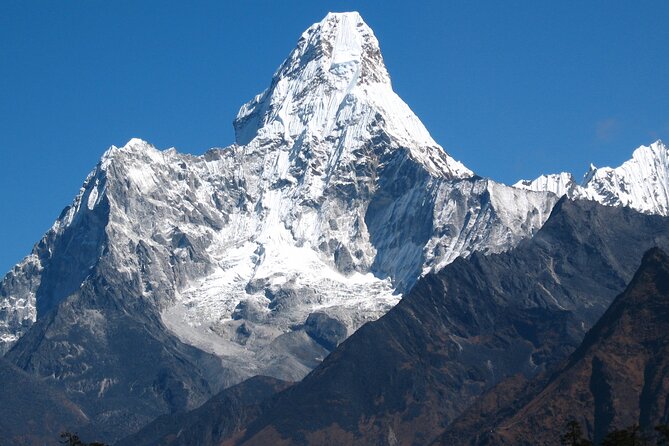
The six-hour walk to Lobuche brings sharper mountain views, including Ama Dablam, Lhotse, Phortse Peak, and Cholatse. You continue toward Duglha before reaching Lobuche.
This section is a clear shift from the lower valley. The route becomes more exposed and the altitude is much more noticeable. Even if the distance does not sound extreme, cold, wind, and thinner air can slow you down.
The views are the reward, but the practical goal is to arrive with enough strength for Base Camp the following day. Keep your daypack light, protect your hands and head from the cold, and do not treat the short schedule as a reason to rush.
Day 6: Lobuche to Everest Base Camp
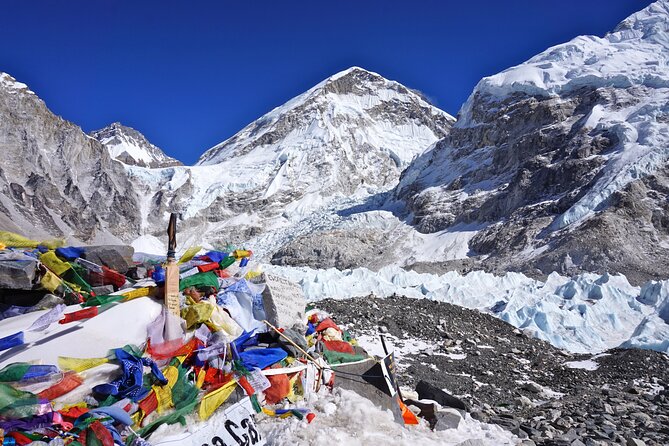
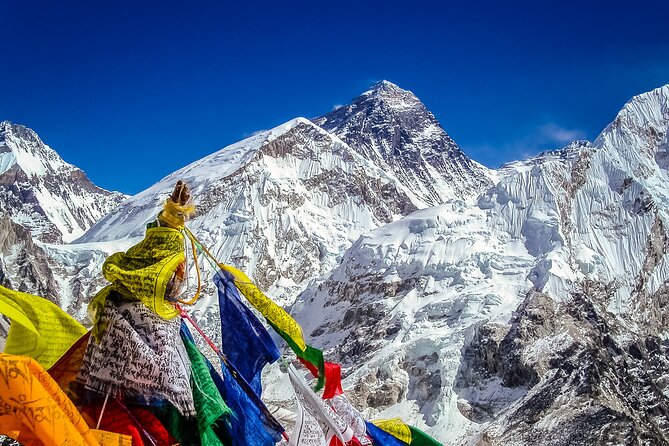
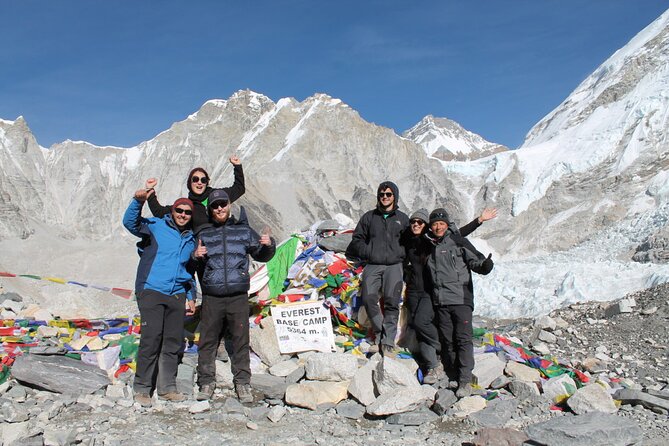
This is the key day. You walk through Gorakshep, stop for lunch, and then continue to Everest Base Camp at 5,364 meters. After visiting Base Camp, you return to Gorakshep for the night. Total walking time is about seven hours.
The route to Gorakshep is already demanding, and the Base Camp section adds several more hours at very high altitude. This is not a quick viewpoint stop. You need to walk out, spend time at Base Camp, and walk back to the lodge.
Reaching Base Camp is the emotional center of the trip. You are at the starting area used by Everest expeditions, surrounded by the high peaks of the Khumbu. The exact visual scene can vary by season, but the altitude and setting make this a major personal milestone.
Gorakshep is also where the schedule becomes especially tight. You sleep at high elevation, then rise early for Kala Patthar. If you feel ill, tell your guide immediately. A licensed guide is not just there to point out peaks. Padam has been praised for calm support, clear English, and helping people manage anxiety around the flight and mountain days.
Day 7: Kala Patthar and the helicopter return
You start early for Kala Patthar, the highest point on the route at 5,545 meters. The climb takes about two hours, followed by a return to Gorakshep for breakfast.
Kala Patthar is included because it provides the stated view of Mount Everest and the surrounding Himalayan peaks. The early start also helps you reach the high point before the day develops. At this altitude, even a two-hour climb can be hard, so you should expect a slow, deliberate morning rather than a casual walk.
After breakfast, you take a shared helicopter from Gorakshep to Kathmandu. This is a major convenience, but it is still aviation in a mountain region. Weather delays can affect flights, and one of the strongest practical points from the tour support is the need to stay flexible. Kesh has helped with changes during weather delays and kept in touch through WhatsApp.
The flight ends back at the Kathmandu meeting point. Because the helicopter is shared, you should not expect a private charter experience. The benefit is the time saved and the chance to see the route from above, not personal control over the flight schedule.
What the $3,195 price covers
The package includes the costly basics that make this trek workable:
- Airport pickup and drop-off for the trek
- Kathmandu to Lukla airfare
- Shared helicopter from Gorakshep to Kathmandu
- Tea-house accommodation
- Six breakfasts, six lunches, and six dinners
- Trekking permits and entrance fees
- An English-speaking, government-licensed trekking guide
That is a useful bundle for anyone who prefers one company to manage the moving parts. The guide matters most. The route is established, but the altitude, flight timing, weather, and daily pace still call for active support.
The exclusions are important. You pay separately for hotels in Kathmandu before and after the trek, battery charging, Wi-Fi, beverages, mineral water, hot showers, personal trekking gear, travel insurance, and emergency evacuation. Emergency evacuation cover is especially important for a high-altitude trip, and you should arrange it before departure.
The guides and group setup
The group size can reach 15 people. That is small enough to remain manageable, but it is not a private trek. Your pace may need to match the group, and personal attention can vary depending on how many people need help.
Padam is specifically praised for his friendly manner, calm support before the Lukla flight, and ability to answer questions in good English. Those qualities matter when the route becomes tiring or nerves rise. Kesh is the main contact for communication and trip arrangements, with quick WhatsApp responses and practical help, including finding boots for someone who forgot them.
You should still bring your own properly fitted gear. A helpful guide can solve some problems, but personal trekking equipment is not included in the price.
Fitness, altitude, and the real difficulty
The tour asks for a moderate fitness level, but the seven-day schedule is demanding. You walk four to seven hours per day, climb from Lukla to 5,364 meters, reach 5,545 meters at Kala Patthar, and have no full rest day listed.
You should be comfortable walking uphill for several hours and continuing on tired legs the next morning. Fitness alone does not remove the risks of altitude. The best approach is to walk slowly, follow your guide’s instructions, drink what you can safely carry, and report symptoms early.
The short format suits someone with limited holiday time who strongly wants the Everest Base Camp route. It is less suitable if you want relaxed mornings, spare days for weather, or a gradual schedule with more time for acclimatization.
The fine print worth noticing
Confirmation is normally provided at booking. If you book within two days of departure, confirmation may take up to 48 hours and remains subject to availability.
The activity requires a minimum number of people. If that minimum is not met and the trip is canceled, you are offered another date or experience, or a full refund. Your own cancellation is different: the booking is non-refundable and cannot be changed for any reason.
That policy makes travel insurance and careful date planning important. You should also avoid placing the trek immediately before an important flight or fixed event, since mountain weather can alter the schedule.
Should you book this Everest trek?
Book it if you want the classic Everest Base Camp walk without trekking back down, have only one week, and are ready for long days at high altitude. The included Lukla flight, guide, meals, tea-house lodging, permits, and helicopter return make the package practical for a first Himalayan trek.
Think twice if you need a slow acclimatization plan, dislike basic lodging, or cannot accept weather-related changes. This is a fast, physically serious trip, not a gentle introduction to Nepal.
If you do book, arrive with suitable personal gear, arrange travel insurance with high-altitude evacuation cover, and keep your schedule flexible. With those safeguards in place, the route offers a direct way to reach Everest Base Camp, stand at Kala Patthar, and return to Kathmandu without retracing every step.
FAQ
How long is the Everest Base Camp trek and helicopter return?
The trip lasts approximately seven days. You trek from Lukla to Everest Base Camp over six days, then climb Kala Patthar and fly from Gorakshep to Kathmandu on day seven.
Where does the tour start?
The meeting point is the TIA domestic terminal parking lot in Kathmandu, Nepal. The stated start time is 5:15 am.
Is the Kathmandu to Lukla flight included?
Yes. The package includes the Kathmandu to Lukla flight, along with airport transfers for your arrival and departure.
Is the helicopter flight from Gorakshep to Kathmandu included?
Yes. The package includes a shared helicopter flight from Gorakshep to Kathmandu after the Kala Patthar visit.
What accommodation and meals are included?
You stay in tea-house lodges during the trek. Six breakfasts, six lunches, and six dinners are included.
What is not included in the price?
Hotels in Kathmandu, battery charging, Wi-Fi, beverages, mineral water, hot showers, travel insurance, emergency evacuation costs, and personal trekking gear are not included.
Just added around Kathmandu
- Mount Everest Helicopter Tour with Landings★ 5.0 · 2 reviews
- Day Tour to Everest Base Camp By Helicopter★ 5.0 · 16 reviews
- Guaranteed Landing at Everest Base Camp Kalapathar by Helicopter★ 5.0 · 38 reviews
- Langtang Helicopter Tour★ 5.0 · 6 reviews
- Kathmandu To Lukla By Helicopter Flight★ 5.0 · 6 reviews
- Mount Everest Scenic Helicopter Tour★ 5.0 · 6 reviews
- Everest Helicopter Tour★ 5.0 · 3 reviews
- Everest Base Camp Tour & View Point by Helicopter from Katmandu★ 5.0 · 3 reviews
Everest & Himalaya Helicopter Tours, compared.
Everest Base Camp Helicopter Tour landing at Everest View Hotel
Read our review →
Everest Base Camp Helicopter Tour landing at Hotel Everest View
Read our review →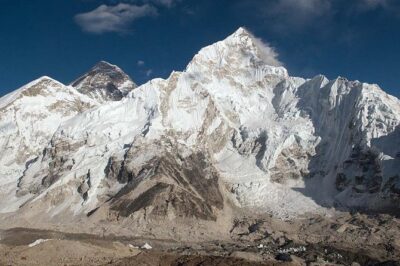
Everest Base Camp Trek with Helicopter Return from Gorakshep to Lukla
Read our review →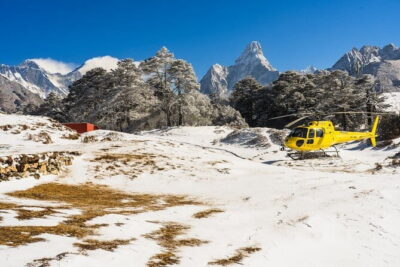
Everest Base Camp helicopter tour with landing
Read our review →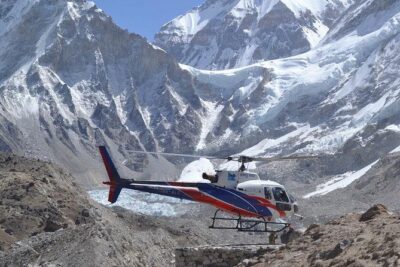
Everest Base Camp Helicopter Tour with Hotel Everest View Landing
Read our review →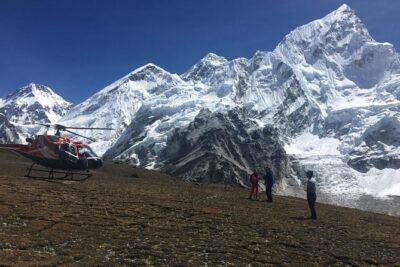
Guaranteed Landing at Everest Base Camp Kalapathar by Helicopter
Read our review →Everest Base Camp Helicopter Tour landing at Everest View Hotel.
Read our review →
Everest Base Camp Trek with Helicopter Return to Lukla – 10 Days
Read our review →Browse the lists this tour appears in