REVIEW · MOUNT COOK
Mount Cook: Tasman Glacier Helicopter Flight
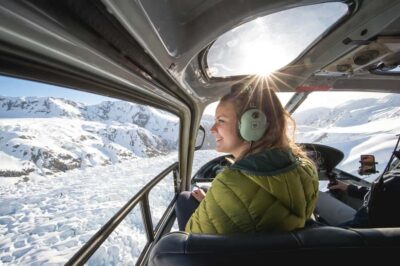
The best part of this flight is not simply seeing the Tasman Glacier from a helicopter. It is landing on the glacier itself, where the ice, crevasses, and high mountain views feel close enough to study. You also get a fine look at the Hochstetter Icefall as it drops down the slopes of Aoraki / Mount Cook.
I like the small group limit of five, which gives each person a better chance at the window and a clear view during the landing. I also like the broad sweep of the flight, from the upper glacier to the Burnett Mountains and Mackenzie Basin. The main drawback is weather: the flight can be delayed or canceled, and one recent booking was still awaiting a refund three days after a cancellation.
Key points to know before you book
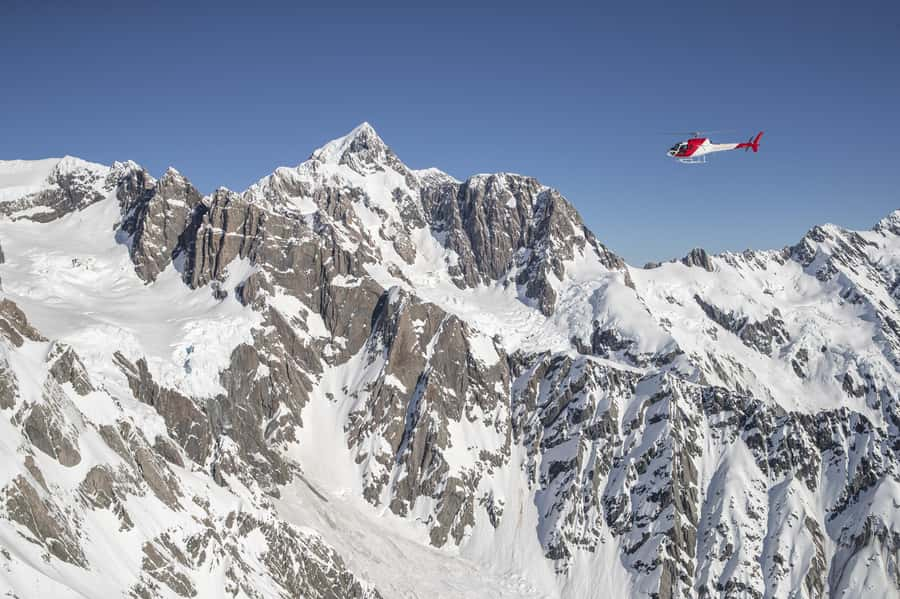
- Glacier landing: You leave the helicopter on the upper Tasman Glacier for panoramic mountain views.
- Hochstetter Icefall: The flight passes the dramatic icefall on Aoraki / Mount Cook.
- 40-minute flight: The trip is short enough to fit into a busy Mount Cook visit, but long enough to include several major sights.
- Small group: A maximum of five participants means a more personal flight and less crowding.
- Weather matters: Check-in closes 30 minutes before departure, and flying depends on favorable conditions.
- Bring warmth: Wear warm clothing and comfortable shoes, and pack sunglasses, sunscreen, and a camera.
Taking off from Aoraki / Mount Cook Village
Your trip begins at Glacier Helicopters Ltd at 81 Bowen Drive in Aoraki / Mount Cook Village. There is no hotel pickup or drop-off, so you need to make your own way to the base and arrive early.
Check-in closes 30 minutes before departure. That detail matters. A helicopter flight has more safety checks and weight planning than a standard sightseeing bus, so arriving at the last minute is a poor gamble. Give yourself time to find the base, check in, and prepare for a fast-moving departure.
The flight is conducted in English, with a live guide and pilot providing information during the trip. Group size is limited to five participants. That is a useful middle ground: you get the excitement of a shared flight without being packed into a large group.
The helicopter itself is the transport and the main viewing platform. You are not spending time on a long road transfer before reaching the ice. Once airborne, the scenery begins quickly, and the 40-minute duration keeps the experience focused.
More Glacier Helicopter Flights in New Zealand
- Mount Cook: Scenic Helicopter Flight with Alpine Landing
★ 4.8 · 442 reviews - Mount Cook: Ski Plane and Helicopter Glacier Combo Flight
★ 4.6 · 271 reviews - Mount Cook: 3 Hour Heli Hike to the Tasman Glacier
★ 4.7 · 218 reviews
Seeing the Hochstetter Icefall from the air
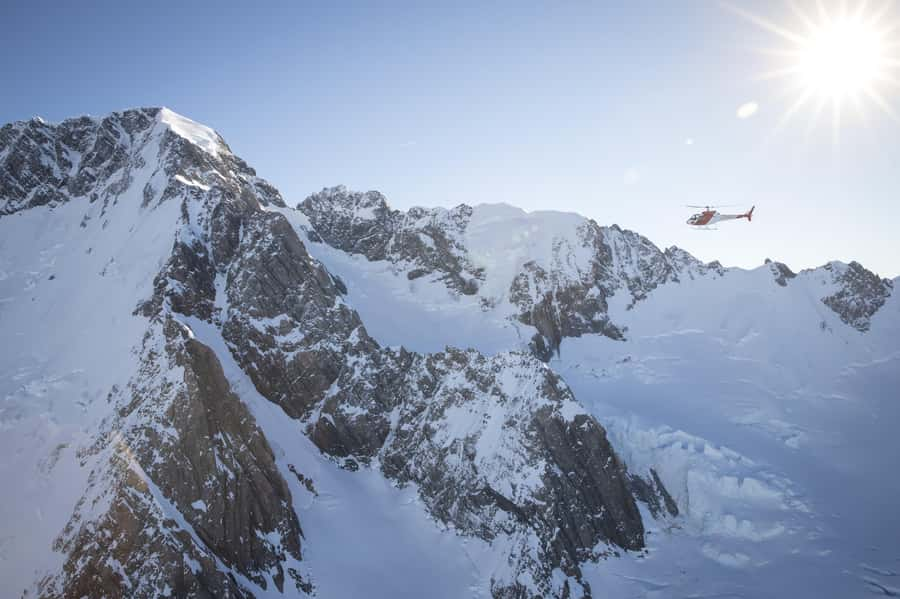
One of the first major sights is the Hochstetter Icefall on Aoraki / Mount Cook. Here, the ice cascades down the mountainside in a steep, broken mass. From the ground, you can appreciate the mountain and glacier system, but the helicopter gives you a much better sense of scale and height.
The flight lets you see the icefall as part of a larger mountain setting, not as an isolated wall of ice. You can look from the glacier toward the slopes and ridgelines around Aoraki / Mount Cook, often called the Cloud Piercer because of its high, imposing summit.
This is one reason the flight works well for visitors with limited time. A long glacier walk requires more planning, physical effort, and favorable trail conditions. Here, you reach the upper glacier by air and see several major features during one compact outing.
The trade-off is that the experience remains a helicopter flight, not a full glacier expedition. You will not spend hours walking across the ice or studying glacier formations at length. The appeal is the combination of aerial views and a short landing, with the hard work handled by the aircraft.
The upper Tasman Glacier and its old ice
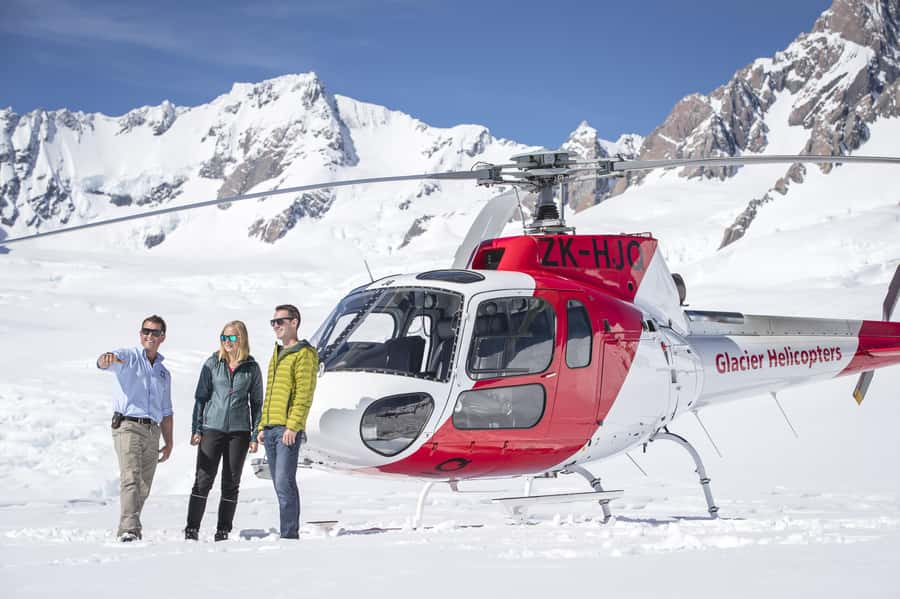
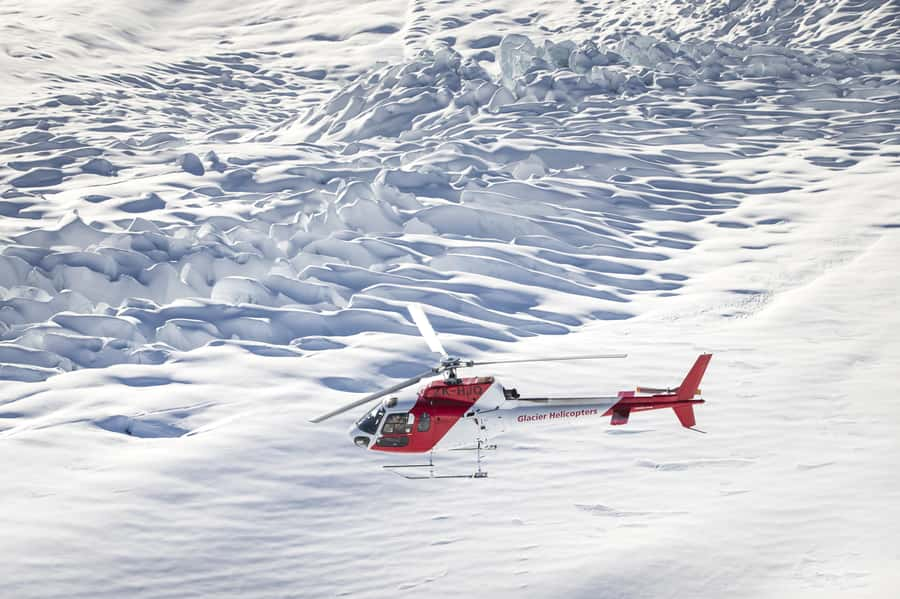
The upper Tasman Glacier is the central attraction. From above, you can see neves and crevasses formed over many years. Neve is compacted snow that has survived from season to season and is gradually pressed into glacier ice. Crevasses reveal the movement and stress within the glacier.
These details give the flight more substance than a simple scenic ride. You are not only looking at white mountains from a distance. You are seeing the structure of a living ice system, marked by lines, folds, cracks, and changes in surface texture.
The view from a helicopter also helps you understand how broad the Tasman Glacier is. The ice stretches through a large mountain setting, while the surrounding peaks frame the route. The scale can be hard to grasp from a single viewpoint on the valley floor.
Keep in mind that glacier surfaces can look different from one flight to another. Weather, cloud, light, and seasonal conditions affect what you see. On a clear day, the glacier and peaks should provide the sharpest views. In cloud or poor weather, the flight may be delayed or canceled rather than operated in unsafe conditions.
Landing on the glacier
The alpine landing is the part that changes the tone of the trip. Instead of viewing the glacier only through a helicopter window, you get out on the ice and take in the surroundings from ground level.
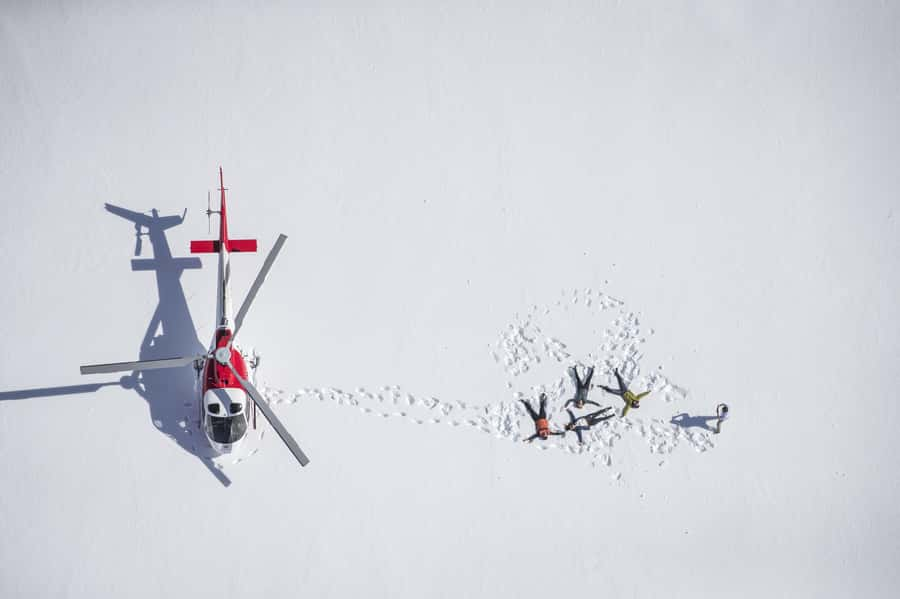
The landing gives you time to appreciate the silence and scale of the upper Tasman Glacier. You can look across the ice toward the mountains and take photographs with Aoraki / Mount Cook in view when conditions allow. The provided experience includes panoramic views, but it does not include food, drinks, or a longer guided walk on the glacier.
Wear comfortable shoes and warm clothing. Even if conditions feel mild in the village, the glacier landing is a high mountain stop, and the advice to bring warm layers should be taken seriously. Sunglasses and sunscreen are also useful because bright light on snow and ice can be harsh.
A camera is worth bringing, but keep it secure and easy to handle. You do not want to spend the entire landing fussing with equipment. The view is the point, and a few well-planned photographs are better than missing the moment while trying to record everything.
The landing is also a good reason to choose this trip over a flight that stays entirely in the air. You get two different perspectives: a wide aerial view of the glacier system and a closer view from the ice.
More Mountain Helicopter Flights in New Zealand
- Mount Cook and The Glaciers 55-Minute Helicopter Flight
★ 4.5 · 133 reviews - Mount Cook: Mountains High 40-Minute Helicopter Flight
★ 5.0 · 53 reviews - Mount Cook: Alpine Vista Helicopter Flight with Alpine Landing
★ 4.5 · 39 reviews - Mount Cook: Helicopter Flight with Alpine Landing
★ 4.9 · 36 reviews
Aoraki / Mount Cook, the Burnett Mountains, and Mackenzie Basin
Aoraki / Mount Cook is the visual anchor of the flight. The mountain rises above the glacier and gives the landing its sense of place. The view can change quickly with cloud, which is why the flight is subject to favorable weather conditions.
You also see the Burnett Mountains and the Mackenzie Basin. These wider views help put the Tasman Glacier into context. The trip is not limited to one peak or one patch of ice. It connects the high glacier country with the broad basin below.
I like this variety. Some scenic flights offer one dramatic sight and then return to base. This route gives you icefalls, glacier formations, a mountain landing, major peaks, and wide regional views within 40 minutes.
Still, do not book this expecting every view to be guaranteed. Mountain weather is unpredictable, and the published route depends on safe flying conditions. A delayed flight may affect the rest of your day, especially if you have a tightly scheduled itinerary.
One recent flight ran later than planned because of weather, but the passengers still described the flight and landing as a highlight. That is useful advice: leave some flexibility around this activity if you can.
How the small group changes the experience
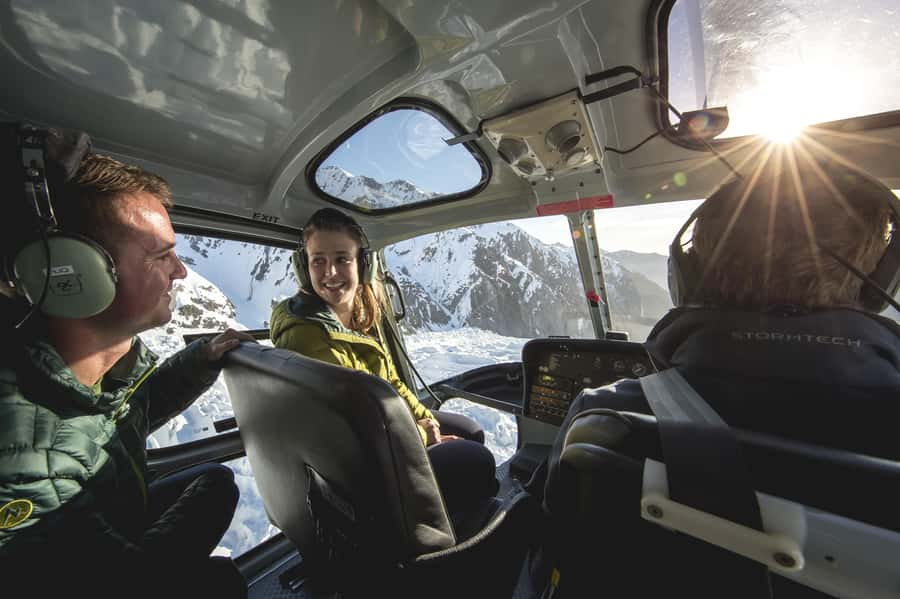
The maximum group size is five participants. That number matters more in a helicopter than it does on a bus or walking tour. A small group means fewer people competing for attention, less crowding during the landing, and a better chance to look out from your seat.
You should still expect the helicopter layout to determine exactly what you can see at any moment. The pilot may point out sights and help make sure everyone has an opportunity to enjoy the views. On one recent flight, pilot Dan was specifically praised for explaining the scenery, taking photographs of the group, and giving everyone a chance to see the same views.
That kind of service can make a short flight feel more personal. It is especially helpful during the glacier landing, when a pilot or guide can help with group photos and keep the experience organized.
The activity is conducted in English. If you want detailed commentary, you should be comfortable following spoken English during the flight. If the views are your main goal, the language requirement is less important, but the practical instructions will still matter.
Is $391 a fair price?
At $391 per person, this is an expensive activity. You are paying for a helicopter, a pilot, flight operations, a glacier landing, and access to views that are difficult to reach by ordinary transport.
I think the price is reasonable for the right visitor. If Aoraki / Mount Cook is a major part of your New Zealand trip and you want one memorable activity rather than several lower-cost stops, the combination of flight and landing offers good value. In 40 minutes, you cover the upper Tasman Glacier, Hochstetter Icefall, Aoraki / Mount Cook, Burnett Mountains, and Mackenzie Basin.
The value is weaker if you are mainly looking for a cheap sightseeing option. You can enjoy mountain views from the village and nearby public viewpoints without paying for a flight. The helicopter adds access, height, speed, and the glacier landing, but those extras come at a steep cost.
The small group helps support the price. You are not booking a large aerial ride where the personal contact is limited. The flight is designed for a handful of people, and the landing gives you a direct connection with the glacier.
Food and drinks are not included, though the short duration makes that less troublesome than it would be on a half-day outing. Hotel transport is also not included, so include the cost and time of reaching the base when planning your day.
Weather, delays, and the cancellation risk
Weather is the main practical concern. The flight operates only in favorable conditions, and mountain weather can change quickly. A cancellation may be disappointing, especially if this is the activity you have most been looking forward to.
The booking terms allow free cancellation up to 24 hours before departure for a full refund. You can also reserve now and pay later, which gives you some flexibility while arranging a New Zealand itinerary.
The important caution is that a weather cancellation can still create cash-flow and scheduling headaches. One recent booking reported waiting three days for a refund after the flight was canceled. That does not tell you how every refund will be handled, but it is a reason to avoid booking this on the final day of a tightly connected itinerary.
I suggest leaving open time after the flight if possible. That way, a delay does not immediately disrupt a bus connection, dinner reservation, or departure from Mount Cook Village. If the flight runs late, as one recent passenger experienced, flexibility can turn a problem into a minor change of plan.
What to bring for the 40-minute trip
The packing list is short, but each item has a job:
- Warm clothing: Conditions on the glacier may be colder than in the village.
- Comfortable shoes: You will make an alpine landing, so practical footwear is more useful than fashionable footwear.
- Sunglasses: Bright ice and snow can be hard on your eyes.
- Sunscreen: High mountain light can be strong.
- Camera: The glacier landing and mountain views are the main photo opportunities.
Smoking is not allowed. Food and drinks are not provided, so eat and drink before arriving if you need something. Since the flight lasts 40 minutes, you do not need to carry much, and a small amount of secure personal gear is best.
Who will enjoy this flight most?
I would recommend this experience to you if Aoraki / Mount Cook is a highlight of your South Island trip and you want to see the region from both the air and the ice. It suits photographers, first-time visitors to the Southern Alps, and anyone who wants a major scenic experience without committing to a long mountain excursion.
It is also a strong choice if you value a small group. The limit of five, along with the chance for direct attention from the pilot, gives the flight a more personal feel.
You should think twice if your budget is tight, if you cannot tolerate uncertainty from mountain weather, or if you need a fixed departure schedule. A helicopter flight is never the best choice for a day with no spare time.
My verdict on the Tasman Glacier helicopter flight
Book this flight if you want a compact, high-impact way to experience the upper Tasman Glacier. The glacier landing is the key feature, while the Hochstetter Icefall and wide views toward the Burnett Mountains and Mackenzie Basin add real variety.
At $391, it is a splurge, not an everyday sightseeing stop. But for a special day in Aoraki / Mount Cook Village, the price buys something you cannot easily reproduce from the valley floor. Keep your schedule flexible, dress warmly, arrive 30 minutes before departure, and accept that weather has the final say.
FAQ
Where does the helicopter flight depart from?
The flight departs from Glacier Helicopters Ltd at 81 Bowen Drive in Aoraki / Mount Cook Village, New Zealand.
How long does the experience last?
The helicopter experience lasts 40 minutes.
Does the flight include a glacier landing?
Yes. An alpine landing on the upper Tasman Glacier is included.
How many people can join the flight?
The group is limited to five participants.
Is a guide available in English?
Yes. The experience includes a live English-speaking guide.
What happens if the weather is poor?
The flight is subject to favorable weather conditions. Poor weather may cause a delay or cancellation.
What should I bring?
Bring comfortable shoes, warm clothing, sunglasses, a camera, sunscreen, and comfortable clothes. Smoking is not allowed.
More Mountain Helicopter Flights in Mount Cook
- Mount Cook: 50-Minute Aoraki Scenic Helicopter Flight
★ 4.7 · 10 reviews - Mount Cook Scenic 35 Minute Helicopter Flight
★ 5.0 · 6 reviews - Volcano Adventure: Hilo Sightseeing w/ Optional Helicopter Tour
★ 4.5 · 412 reviews - Queenstown: Pilot’s Choice Helicopter Tour & Alpine Landing
★ 4.9 · 291 reviews
More Glacier Helicopter Flights in Mount Cook
- Mount Cook Alpine Explorer Helicopter Flight with Alpine Landing
★ 4.0 · 22 reviews - Mount Cook: Tasman Glacier and West Coast Helicopter Flight
★ 5.0 · 6 reviews - Alaska Helicopter Tour with Glacier Landing – 60 mins – ANCHORAGE AREA
★ 5.0 · 725 reviews - Franz Josef Glacier: Helicopter Flight & Alpine Landing
★ 4.8 · 619 reviews
Just added around Mount Cook
- Mount Cook Scenic 35 Minute Helicopter Flight★ 5.0 · 6 reviews
- Mount Cook: Mountains High 40-Minute Helicopter Flight★ 5.0 · 53 reviews
- Mount Cook: Alpine Vista Helicopter Flight with Alpine Landing★ 4.5 · 39 reviews
- Mount Cook Alpine Explorer Helicopter Flight with Alpine Landing★ 4.0 · 22 reviews
- Glentanner High Country Heli Hike★ 5.0 · 52 reviews
- Mount Cook: 50-Minute Aoraki Scenic Helicopter Flight★ 4.7 · 10 reviews
- Mt Cook: 55-Minute Scenic Flight in Helicopter or Ski Plane★ 4.1 · 6 reviews
- Mount Cook: Helicopter Flight with Alpine Landing★ 4.9 · 36 reviews
Glacier & Snow Landing Flights, compared.
Alaska Helicopter Tour with Glacier Landing – 60 mins – ANCHORAGE AREA
Read our review →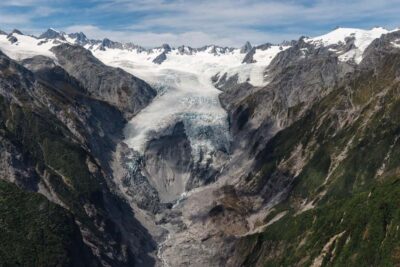
Franz Josef Glacier: Helicopter Flight & Alpine Landing
Read our review →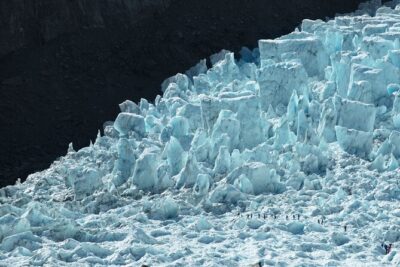
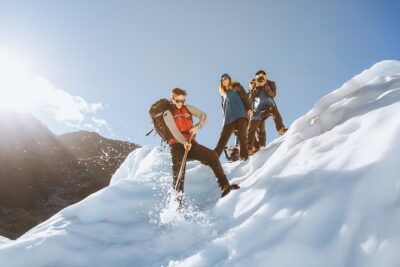
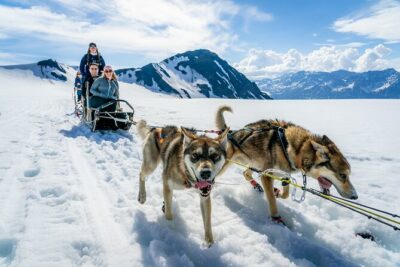
Alaska Helicopter and Glacier Dogsled Tour – ANCHORAGE AREA
Read our review →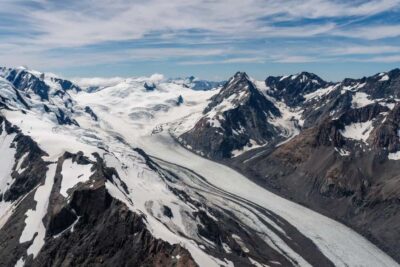
Franz Josef: 35min Helicopter Trip over Two Glaciers
Read our review →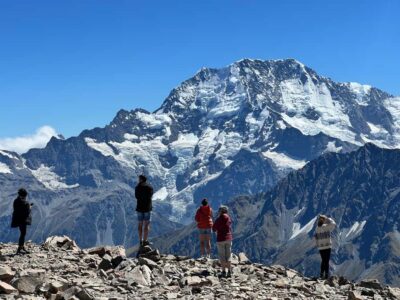
Mount Cook: Scenic Helicopter Flight with Alpine Landing
Read our review →