REVIEW · AORAKI MOUNT COOK NATIONAL PARK TE WAHIPOUNAMU
The Adventurer: Tasman Glacier Heli-hike
The best part of this experience is not simply landing on Tasman Glacier. It is the combination of a helicopter flight over Aoraki/Mount Cook and a guided walk across ice that most people could never reach on foot. You may crawl through an ice cave, peer into a blue hole, drink glacier water, or watch a small avalanche from a safe distance.
I like two things right away: the company supplies serious cold-weather gear, and the small group gives your guide room to explain what you are seeing. Guides including Hunter, Richard, Fiona, Flav, and Pawel have been singled out for their care, humor, and skill. The main catch is price: at $572.23 per person, this is a major splurge, and bad weather can change your plans.
- Two helicopter flights: A scenic flight carries you over the glacier and back to the Mount Cook base.
- A remote ice landing: You walk on Tasman Glacier at about 4,265 feet, or 1,300 meters.
- Hands-on glacier travel: Use crampons or winter snowshoes, walking poles, and sometimes cut steps in the ice with your guide.
- Cold-weather gear provided: Leather boots, wool socks, waterproof outerwear, and other equipment are available.
- Small maximum group: No more than 11 people means better access to the guide and more time for photos.
- Weather matters: Departures can be delayed, rescheduled, or canceled if flying conditions are unsafe.
The Tasman Glacier by Helicopter, Not by Long Road
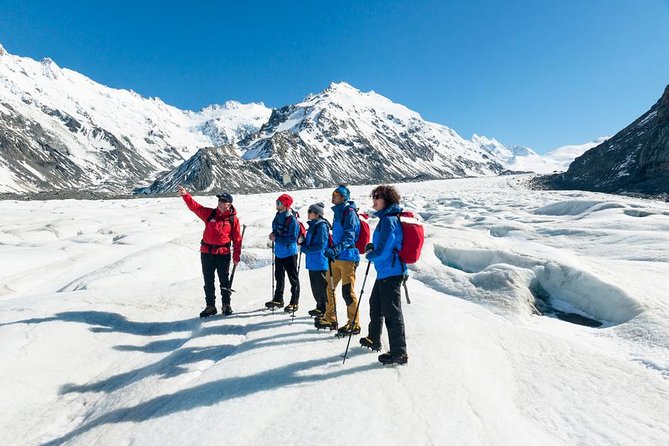
Tasman Glacier is one of those places where the journey changes your sense of scale. From the ground, a glacier can look like a broad white river tucked beneath high peaks. From a helicopter, its folds, crevasses, snow fields, and blue ice become much easier to read.
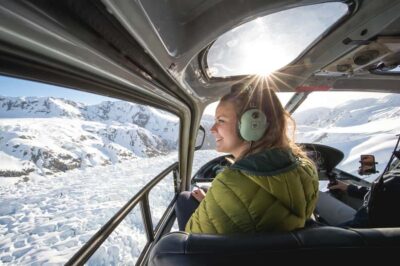
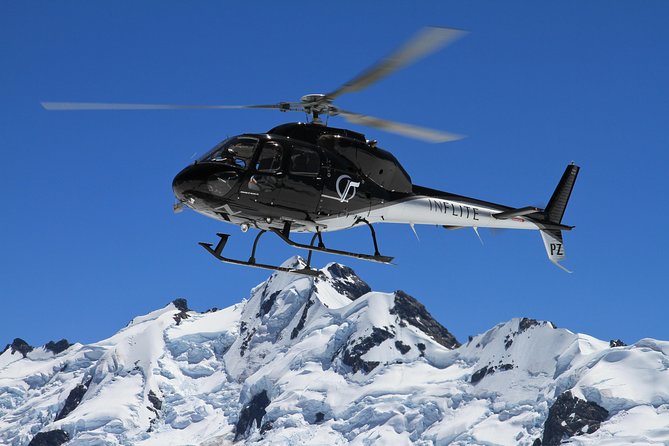
You leave from Mount Cook Airport on Mount Cook Road. The first flight is part transport and part sightseeing. You will fly toward a remote section of Tasman Glacier, with a fly-by of Aoraki/Mount Cook, New Zealand’s highest peak. The exact flight path depends on conditions, but the point is clear: you are not spending hours on a road or trail to reach the ice.
That saves time, but the flight itself is also a major part of the value. Some people describe the helicopter ride as a once-in-a-lifetime experience, and it is easy to see why. You get a high, moving view of the Southern Alps before landing in a place that is otherwise reached only by a difficult overland journey.
Seating may be rearranged so everyone gets a window or front position on one of the flights. That is a thoughtful touch, since helicopter views can be much better from one side than another. Still, do not expect a private flight or a guaranteed front seat both ways. The group shares the aircraft, and the operator works within a strict helicopter schedule.
Landing on Tasman Glacier at 1,300 Meters
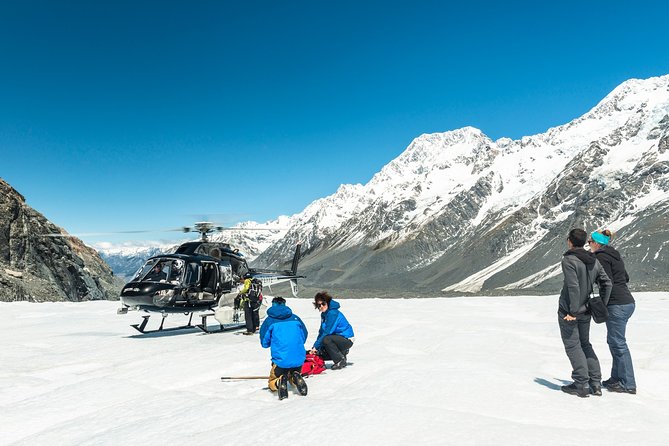
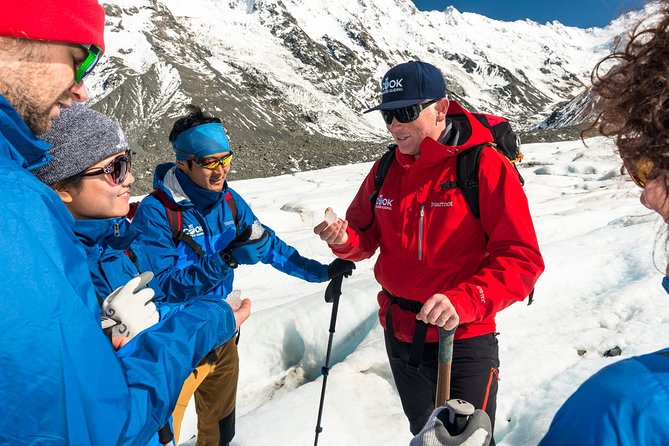
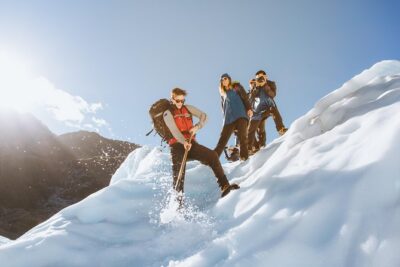
After landing, your guide fits the group with the equipment needed for the ice. You may use crampons, or snowshoes during winter, depending on the conditions. Walking poles help with balance, and a harness is supplied if the route requires one.
This is not a casual stroll in ordinary shoes. You need a moderate level of fitness, and you should be comfortable walking on uneven, slippery ground for part of the three-hour experience. The guide sets the pace and handles the route, but you still need to step carefully and follow instructions.
The supplied clothing removes one of the biggest barriers to a glacier trip. You receive quality leather boots and wool socks, plus a waterproof jacket and over-trousers. Gloves and other layers may be available if needed. You should still arrive prepared with three or four warm upper-body layers, warm trousers, a hat, and gloves. Do not wear jeans. They become cold and uncomfortable when damp.
Bring sunglasses and sun protection, even on a cloudy day. Snow and ice reflect a great deal of light, and the air at altitude can feel sharp. A drink and snacks are also useful. You should not count on the tour equipment to provide food or water.
More Glacier Helicopter Flights in New Zealand
- Franz Josef Glacier: Helicopter Flight & Alpine Landing
★ 4.8 · 619 reviews - Franz Josef Glacier Heli-Hike
★ 4.5 · 618 reviews - Heli Hike Fox Glacier
★ 5.0 · 563 reviews
Ice Caves, Blue Holes, and Fresh Snow
The walk is the heart of the experience. Your guide leads you across the glacier, looking for features that make the ice feel alive rather than merely scenic. The exact route changes with the glacier and the weather, so no two departures need to follow the same pattern.
A route may include an ice tunnel or cave, a narrow blue-white hole, or a view down into moving water beneath the surface. One reported outing included a descent of about ten feet into a blue-white opening, with water surging below. That kind of feature explains why a guide matters. You are not wandering off to explore on your own. You are moving through changing ice under careful supervision.
You might also walk through fresh snow, inspect unusual ice formations, or make a small slush drink from glacier ice. These details give the outing a playful side, but the guide also explains the forces shaping what you see. Richard has been praised for finding interesting features while keeping the group safe. Hunter has also been singled out for making the time on the ice both informative and fun.
The guide may cut steps in the glacier, using techniques passed down through New Zealand mountaineering practice. That is a memorable detail because it turns the walk into a real glacier journey rather than a short photo stop. Your route is prepared for the group and the current ice conditions.
You may see small avalanches in the surrounding mountains. These are part of the active alpine setting, but you are not asked to approach them. Your guide chooses the route and explains how to behave on the ice. Pay close attention during the safety briefing. A glacier is beautiful, but it is not a public park with fixed paths.
Why a Small Group Makes a Difference
The maximum group size is 11. That is not a private tour, but it is small enough for the guide to keep an eye on everyone and answer questions without shouting across a crowd.
I especially like this size for a technical setting. When you are stepping into an ice cave or moving over uneven snow, you want clear instructions. A smaller group also means less time waiting while equipment is fitted or while other people take photos.
The guides are a major part of the experience. Names connected with particularly strong outings include Hunter, Richard, Rich, Fiona, Flav, Anna, and Pawel. Their roles go beyond pointing toward a mountain. You can expect help with equipment, explanations of glacial features, and reminders about safe movement.
Flav has been praised for allowing plenty of time for photographs while showing the group different parts of the glacier. Anna helped make one outing both safe and informative, while Fiona was noted for her practical help with boots, socks, gloves, and outerwear. You cannot select a particular guide in advance from the information provided, but the team’s approach is consistent: safety first, then exploration and photos.
The Return Flight Over the Southern Alps
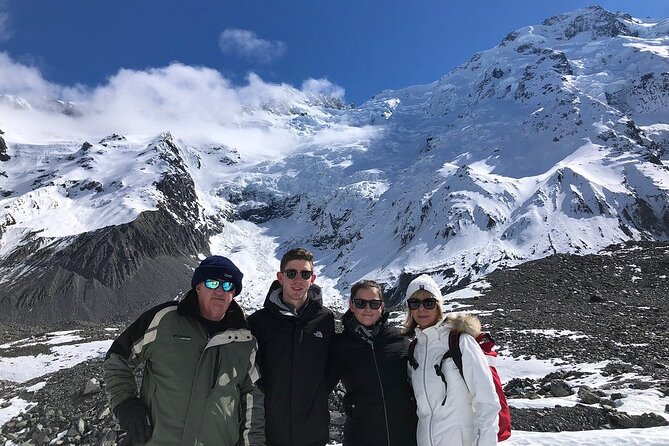
When the walk is finished, you return to the helicopter for the second scenic flight back to the Aoraki/Mount Cook base. This flight gives you a final look at the ice from above, often from a different angle than the outbound journey.
The return is more than a ride back to the airport. After walking across the glacier, you understand the shapes below you. A long blue crack or a broad snow field is no longer just a pattern from the air. You have felt the cold, stepped over the ice, and seen water moving beneath it.
Some flights include a close pass by a glacier on a mountain face. The flight path remains subject to weather and operational limits, so this should be viewed as a possibility rather than a promise. The same applies to the views of Aoraki/Mount Cook. On a clear day, they can be superb. In poor conditions, the helicopter may not fly at all.
The entire outing lasts about three hours, though the time on the glacier can vary with flight conditions and the route. Plan the rest of your day with some flexibility. The operator cannot simply delay departure to suit a late arrival, because helicopter scheduling is strict.
More Helicopter Combo Adventures in New Zealand
- Mount Cook: Ski Plane and Helicopter Glacier Combo Flight
★ 4.6 · 271 reviews - Mount Cook: 3 Hour Heli Hike to the Tasman Glacier
★ 4.7 · 218 reviews - 45-Minute Mount Cook Ski Plane and Helicopter Combo Tour
★ 4.5 · 107 reviews - Tasman Glacier Heli-Hike Tour from Queenstown
★ 5.0 · 70 reviews
Is $572.23 a Fair Price?
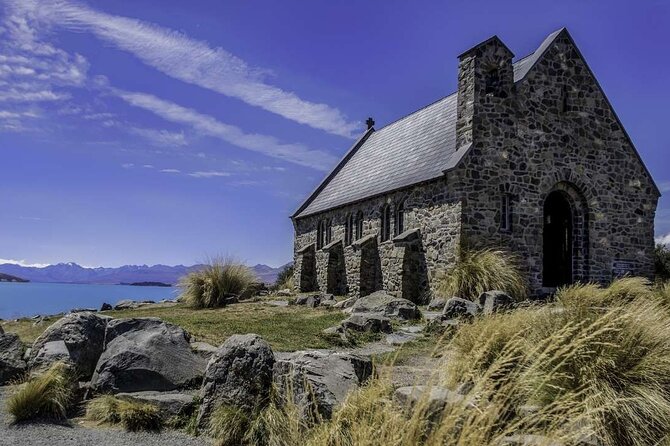
At $572.23 per person, this is expensive by normal sightseeing standards. You are paying for two helicopter flights, professional guiding, glacier equipment, outerwear, and access to remote ice. The price is easier to justify if you value the flight as much as the hike.
A cheaper walk near Mount Cook can offer beautiful mountain views without the helicopter cost. But it will not put you on a remote part of Tasman Glacier in roughly an hour or two, and it will not give you the same view of the Southern Alps from the air.
The value also depends on your priorities. If you want a quick photo beside a helicopter, this may feel excessive. If you want a serious, guided encounter with glacier ice and a flight over Aoraki/Mount Cook, the package makes more sense.
Weather is part of the financial calculation. The activity requires favorable conditions. If poor weather forces cancellation, you are offered another date or a full refund. That protects you from losing the full booking price, but a weather change can still affect your wider itinerary. If you have only one day around Mount Cook, you may not get another chance.
What to Wear and Pack for the Ice
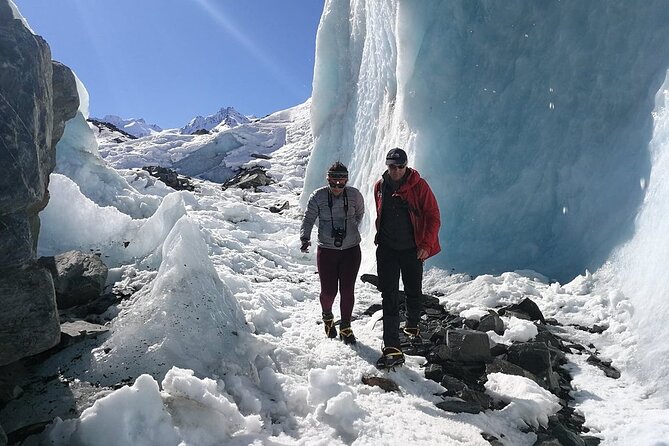
The operator provides the major equipment, but your clothing still matters. I would prepare as if the day could be cold, bright, and damp at the same time.
Wear warm trousers rather than jeans. Bring three or four warm upper-body layers so you can adjust as conditions change. Add a hat and gloves, then pack sunglasses and sun protection. The supplied waterproof jacket and over-trousers help protect you from wind, snow, and wet surfaces.
You should also carry a drink, snacks, and a camera or phone. Keep your equipment secure and easy to reach. The glacier is a place where you will want photos, but you should never let a picture distract you from the guide’s instructions.
The supplied boots and wool socks are especially useful for anyone who does not own mountaineering footwear. The right boots make a real difference when you are wearing crampons or snowshoes. Ask for help with fitting rather than trying to adjust technical equipment yourself.
Who Will Enjoy This Most?
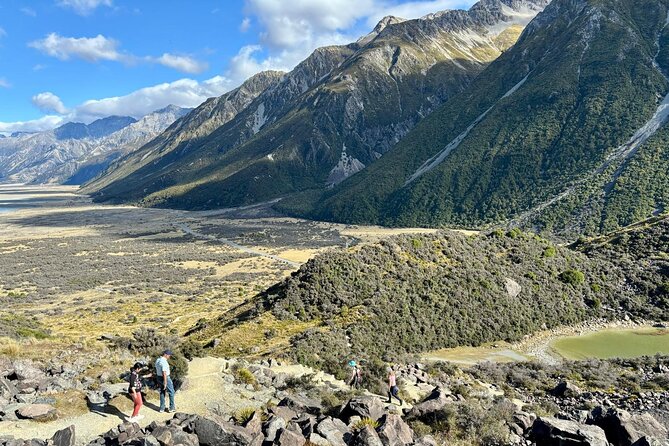
This tour suits you if you want an active day in the Southern Alps and are comfortable paying for a premium experience. It is a strong choice for couples, small groups, and anyone marking a special trip with something more unusual than a standard scenic flight.
You should also enjoy learning as you go. The best part is not only the scenery. It is seeing how ice forms caves, tunnels, holes, channels, and ridges, then understanding why your route changes.
A moderate fitness level is required. The activity is not designed for someone who wants to remain seated or avoid uneven ground. You will walk on snow and ice, use specialist equipment, and follow a guide across changing terrain.
It may not suit you if you dislike helicopters, cold weather, uncertain scheduling, or physical activity. It is also a poor match if your budget is tight. The cost is high, and the weather may force a change even after you have arranged your day around it.
Timing, Weather, and the Cost of Missing Departure
Confirmation is provided within 48 hours of booking, subject to availability. You should arrive early and treat the stated departure time as fixed. If you miss it and the space cannot be resold, you may be charged the full amount.
The weather policy is fair but important. A cancellation caused by poor conditions gives you the choice of another date or a full refund. The same general protection applies if the minimum number of participants is not reached.
You can cancel for a full refund up to 24 hours before the local start time. Changes or cancellations inside that 24-hour window are not accepted for a refund. Read that rule closely before booking, especially if your South Island route depends on road conditions.
Road closures have affected planned outings before, with rebooking sometimes possible a couple of days later. That flexibility is useful, but it depends on open spaces and a workable schedule. If you are driving to Mount Cook, build in extra time and keep your phone available for updates.
Should You Book the Tasman Glacier Heli-Hike?
I would book this if you want the most hands-on glacier experience available in a short visit to Mount Cook and you can accept the price and weather risk. The helicopter flight gives you the big views, while the guided hike gives you the close-up details: blue ice, caves, fresh snow, and water beneath the glacier.
I would skip it if you are looking for a low-cost walk or if you have no flexibility in your schedule. But for an adventurous visitor with three hours to spare, a moderate fitness level, and room in the budget, this is a rare chance to walk on Tasman Glacier without committing to a long mountain journey.
FAQ
Where does the Tasman Glacier heli-hike start?
The activity starts and ends at Mount Cook Airport on Mount Cook Road, in the Canterbury Region of New Zealand.
How long does the experience last?
The experience lasts approximately three hours, including the two helicopter flights and the guided glacier walk.
What equipment is included?
The tour includes leather boots, wool socks, a waterproof jacket, over-trousers, adjustable walking poles, crampons, and snowshoes in winter. A harness is also provided if required.
What should I bring?
Bring three or four warm upper-body layers, warm trousers rather than jeans, sunglasses, sun protection, a hat, gloves, a drink, and snacks.
What happens if the weather is too poor to fly?
If the activity is canceled because of poor weather, you can choose another date or receive a full refund.
Can I cancel my booking?
You can cancel up to 24 hours before the local start time for a full refund. Cancellations or changes made less than 24 hours before departure are not accepted for a refund.
More Hiking and Trekking Trips in New Zealand
- Franz Josef: 2.5 Hour Glacier Hike with Helicopter Transfer
★ 4.7 · 322 reviews - Fox Glacier: Up to 3 Hours Hike with Helicopter Transfer
★ 4.9 · 309 reviews - Mount Cook: 3-Hour Tasman Glacier Helicopter Ride and Hike
★ 4.9 · 235 reviews - Mt Cook Small Group Tour & Heli Hike Combo from Queenstown
★ 5.0 · 64 reviews
Just added around New Zealand
- Wanaka: Scenic Helicopter Flight with Glacier Experience★ 5.0 · 42 reviews
- Wānaka: Scenic Helicopter Flight Wānaka Max★ 5.0 · 11 reviews
- Wānaka: Helicopter Scenic Flight Wānaka Experience★ 5.0 · 4 reviews
- Wānaka: Heli Siberia – Helicopter Flight, Hike & Jet Boat★ 4.6 · 4 reviews
- Wānaka: Heli Siberia Max – Helicopter Flight, Hike, Jet Boat★ 5.0 · 3 reviews
- 15-Minute Wellington Harbour Helicopter Flight★ 4.0 · 9 reviews
- Bay of Many Coves, Marlborough Sounds- Heli-lunch from Wellington★ 5.0 · 8 reviews
- Wharekauhau Heli-lunch from Wellington★ 4.5 · 6 reviews
Glacier & Snow Landing Flights, compared.
Alaska Helicopter Tour with Glacier Landing – 60 mins – ANCHORAGE AREA
Read our review →
Franz Josef Glacier: Helicopter Flight & Alpine Landing
Read our review →
Alaska Helicopter and Glacier Dogsled Tour – ANCHORAGE AREA
Read our review →
Franz Josef: 35min Helicopter Trip over Two Glaciers
Read our review →
Mount Cook: Scenic Helicopter Flight with Alpine Landing
Read our review →